Tuesday, October 21, 2025

10 Insights Regarding Tours in Cusco

Cusco, once the capital of the Inca Empire, remains one of the most fascinating destinations in South America. Travelers from all over the world seek tours en Cusco to explore its rich culture, ancient ruins, and breathtaking landscapes. Below are ten essential insights to help you understand what makes these tours truly remarkable.

1. Cusco Is More Than a Gateway to Machu Picchu

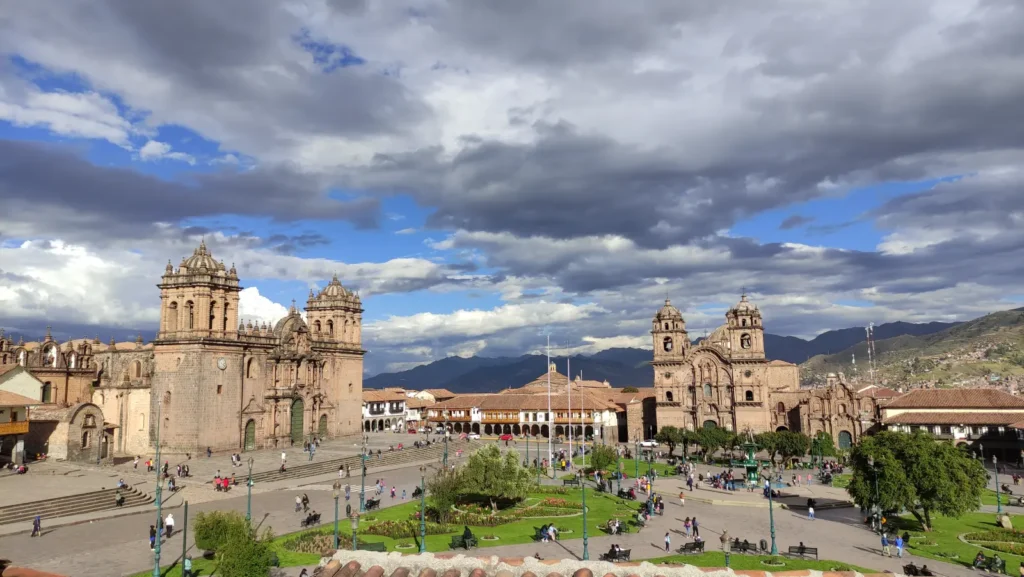
Many visitors see Cusco merely as a stop before Machu Picchu, but the city itself deserves exploration. A variety of Cusco tours include walking routes through the historic center, where you can admire the Plaza de Armas, the Cathedral, and the ancient Inca walls that still stand today.

2. Guided Tours Offer Cultural Depth

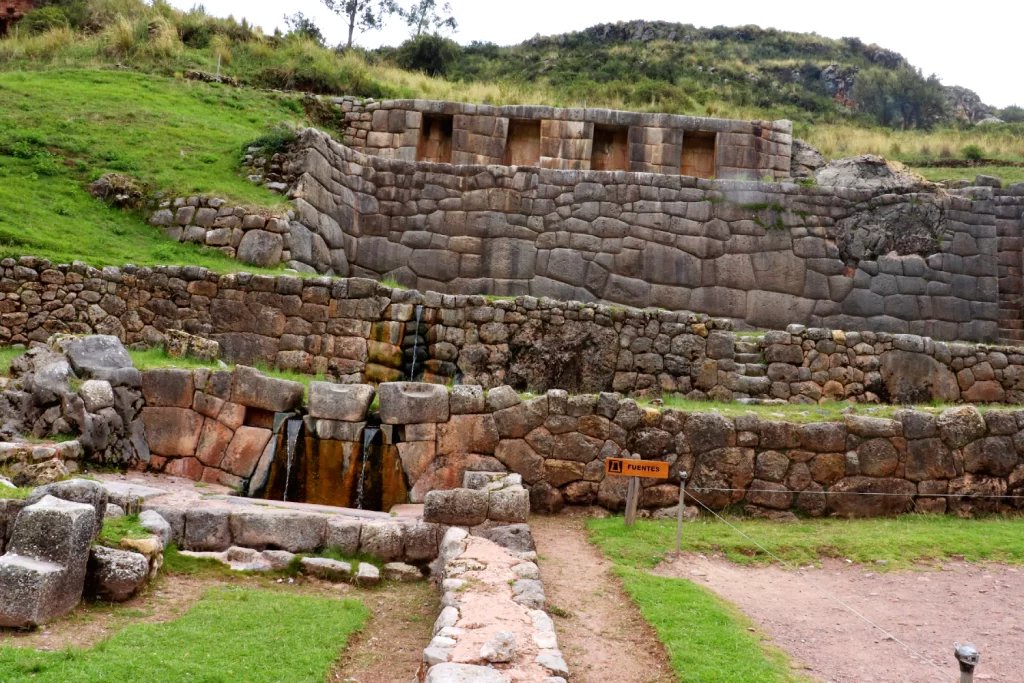
Opting for guided tours Cusco allows travelers to gain deep insights into the city’s Inca and colonial heritage. Expert guides not only share historical facts but also explain local traditions, architecture, and religious symbolism found in places like Qorikancha and Sacsayhuamán.

3. Altitude Acclimatization Is Key

Cusco sits at an elevation of 3,400 meters (11,150 feet). Before joining any tours in Cusco Peru, it is advisable to spend at least one or two days acclimatizing to the altitude. This helps prevent altitude sickness and ensures a more enjoyable experience.
4. The Sacred Valley Is a Must-Visit Extension

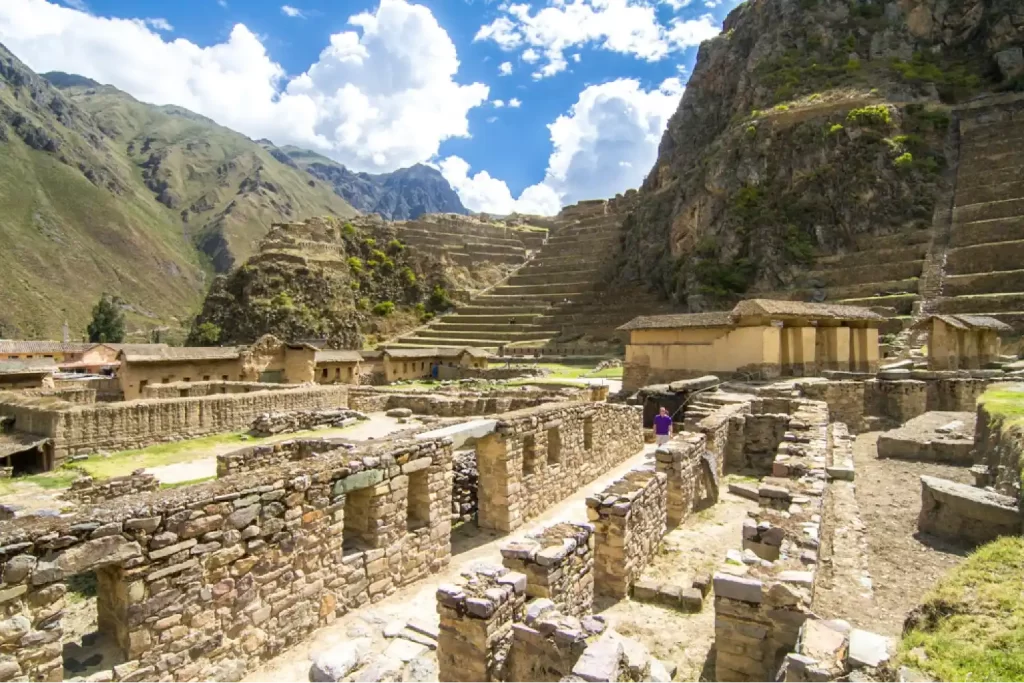
Most tours en Cusco include visits to the Sacred Valley, where you’ll find Pisac, Ollantaytambo, and Chinchero. These towns showcase authentic Andean life and vibrant markets filled with handmade textiles and crafts.

5. Seasonal Variations Affect Travel Plans

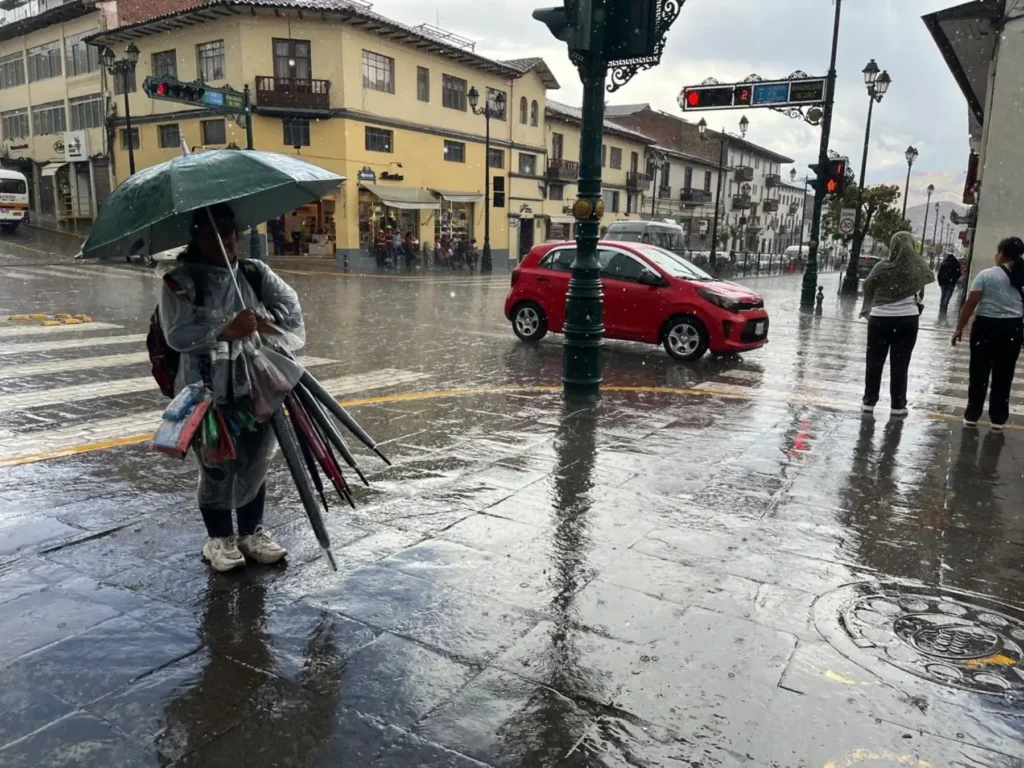
Cusco experiences two main seasons: the dry season (May–October) and the rainy season (November–April). The best time for Cusco tours is during the dry months, when trails are clear, and skies are bright—ideal for photography and hiking.

6. Adventure Options Abound

Beyond historical sites, tours in Cusco Peru often include adventure activities such as mountain biking, zip-lining, and rafting on the Urubamba River. For trekking enthusiasts, the Salkantay and Inca Trails are world-class routes leading to Machu Picchu.

7. Gastronomy Is an Integral Part of the Experience

A complete tour in Cusco should include tasting local cuisine. Dishes like lomo saltadocuy chactado (roasted guinea pig), and ají de gallina highlight the fusion of Andean and Spanish culinary traditions. Culinary tours are increasingly popular among travelers seeking authentic flavors.

8. Respect for Local Communities Is Essential

Sustainable travel practices are highly encouraged. When booking tours en Cusco, choose agencies that support local guides and indigenous communities. Responsible tourism ensures cultural preservation and benefits the region’s economy.

9. Photography Opportunities Are Endless

From ancient Inca stonework to panoramic mountain views, guided tours Cusco offer incredible photo opportunities. Early morning light enhances the beauty of sites like Moray, Maras, and the colorful streets of San Blas.
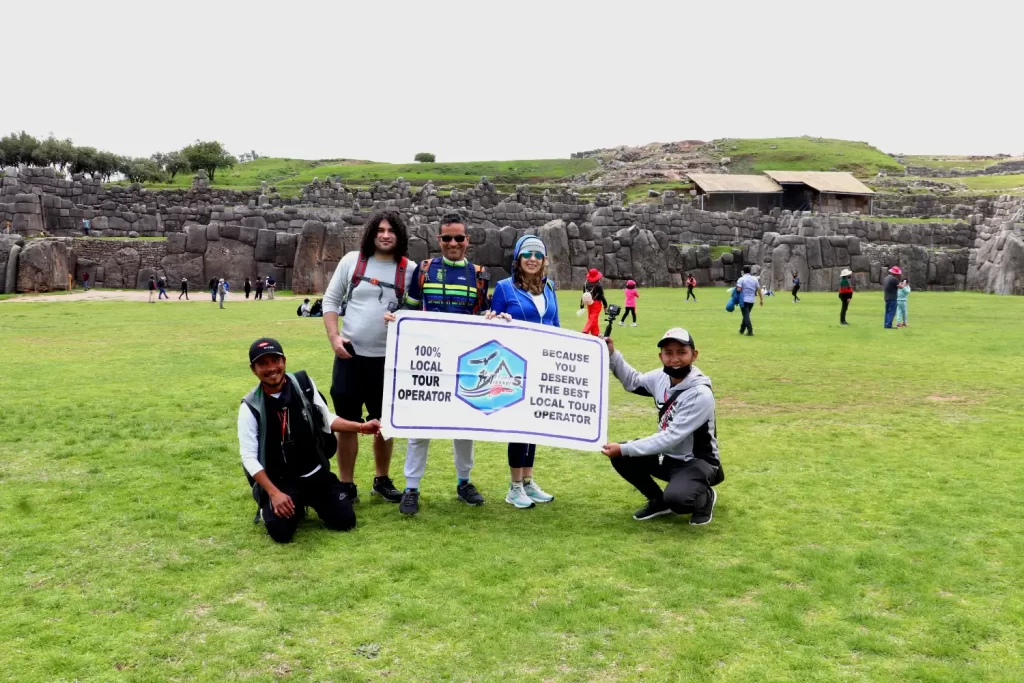
10. Combine History with Modern Comfort

Modern Cusco tours blend cultural immersion with comfort. Many travel operators offer luxury transportation, boutique accommodations, and private guides—ensuring travelers enjoy both authenticity and relaxation during their stay.

Final Thoughts

Exploring tours en Cusco means diving into a living museum of Inca civilization, colonial architecture, and natural wonder. Whether you choose historical, adventure, or gastronomic experiences, Cusco offers something unique for every traveler who seeks to understand Peru’s timeless heart.

Sunday, October 19, 2025

Guidelines and Information on Salkantay Treks

The Salkantay Trek is one of the most spectacular alternatives to the traditional Inca Trail, offering breathtaking mountain scenery, diverse ecosystems, and a rewarding route that leads to the majestic Machu Picchu. If you’re planning to embark on this journey, having the right Salkantay Trek information can make all the difference between a good trip and an unforgettable adventure.

What is the Salkantay Trek?

The Salkantay Trek is a high-altitude hike in the Peruvian Andes, named after the sacred Salkantay Mountain (6,271 m / 20,574 ft). It connects Cusco with Aguas Calientes, the gateway to Machu Picchu. Unlike the classic Inca Trail, this route does not require a government permit, making it an excellent option for those seeking flexibility and availability.

This trek is known for its stunning contrast of landscapes — from snowy peaks and turquoise lagoons to tropical jungles and Inca ruins along the way.

How Difficult is the Salkantay Trek?

While it is accessible to most travelers in good physical condition, the Salkantay Trek can be challenging due to altitude and steep climbs.

  • Maximum altitude: 4,650 m (15,255 ft) at Salkantay Pass.
  • Duration: Usually between 4 to 5 days.
  • Best for: Adventurers looking for a mix of nature, culture, and physical activity.

Tip: Spend at least 1 or 2 days in Cusco before the trek to acclimate and avoid altitude sickness.

Best Time to Do the Salkantay Trek

The dry season (from April to October) offers the best weather conditions. During this period, you’ll enjoy clearer skies and easier trails.

  • May to August: Peak season, ideal for photography.
  • November to March: Rainy season — fewer tourists, but expect muddy trails and limited visibility.

Planning ahead based on seasonal Salkantay Trek details ensures a more comfortable experience.

What to Pack for the Salkantay Trek

Packing smartly is essential. Here’s a quick checklist based on expert Salkantay Trek guide recommendations:

  • Warm clothes for cold nights (especially near the Salkantay Pass)
  • Lightweight rain jacket or poncho
  • Trekking shoes with good grip
  • Sunscreen, hat, and sunglasses
  • Reusable water bottle and purification tablets
  • Snacks (nuts, energy bars, chocolate)
  • Small first-aid kit
  • Passport and cash (for entry fees and small purchases)

Guided vs. Independent Trekking

You can do the Salkantay Trek independently or with a guided tour.

  • Guided tours provide meals, equipment, accommodation, and local guides who explain cultural and historical aspects.
  • Independent trekking offers more freedom but requires solid navigation skills and experience in high-altitude hiking.

If you prefer convenience and safety, a guided Salkantay Trek is highly recommended, especially for first-time visitors.

Highlights Along the Route

  1. Humantay Lake – A turquoise glacial lake surrounded by snow-capped peaks.
  2. Salkantay Pass – The highest point of the trek and one of the most scenic.
  3. Cloud Forest of Collpapampa – A transition zone filled with orchids and hummingbirds.
  4. Llactapata Ruins – An Inca site with unique views of Machu Picchu.

Each section offers new experiences and landscapes, making this route truly unforgettable.

Final Recommendations

Before booking, make sure you verify updated information about Salkantay Trek conditions, local regulations, and weather forecasts. Always travel with proper insurance, and choose a responsible tour operator that supports local communities.

Remember, the Salkantay Trek isn’t just about reaching Machu Picchu — it’s about connecting with the natural and spiritual essence of the Andes.

Conclusion

The Salkantay Trek combines adventure, culture, and stunning landscapes into a single unforgettable experience. With the right Salkantay Trek information, proper preparation, and respect for nature, this journey will become one of the highlights of your life in Peru.