Salkantay training is a key step to fully enjoying one of Peru’s most challenging and spectacular trekking routes. Many travelers underestimate the altitude, distance, and climate changes, and end up exhausted before reaching Machu Picchu. In this guide, we explain how to prepare for Salkantay, what level of effort to expect, and how to optimize your performance before and during the trek.
What is the difficulty of the Salkantay Trek?
The Salkantay trek difficulty is considered moderate to challenging. You don’t need to be a professional athlete, but you do need a good fitness base and prior conditioning.
Key facts to understand the route:
- Maximum altitude: 4,630 m at the Salkantay Pass
- Total distance: Approximately 70–74 km depending on the itinerary
- Weather: Cold in high altitudes (down to -5°C), mild in lower zones (up to 22°C)
- Terrain: Mixed; rocky, steep, and with frequent elevation changes
The biggest challenge is the altitude, requiring a well-prepared cardiovascular system and solid endurance.

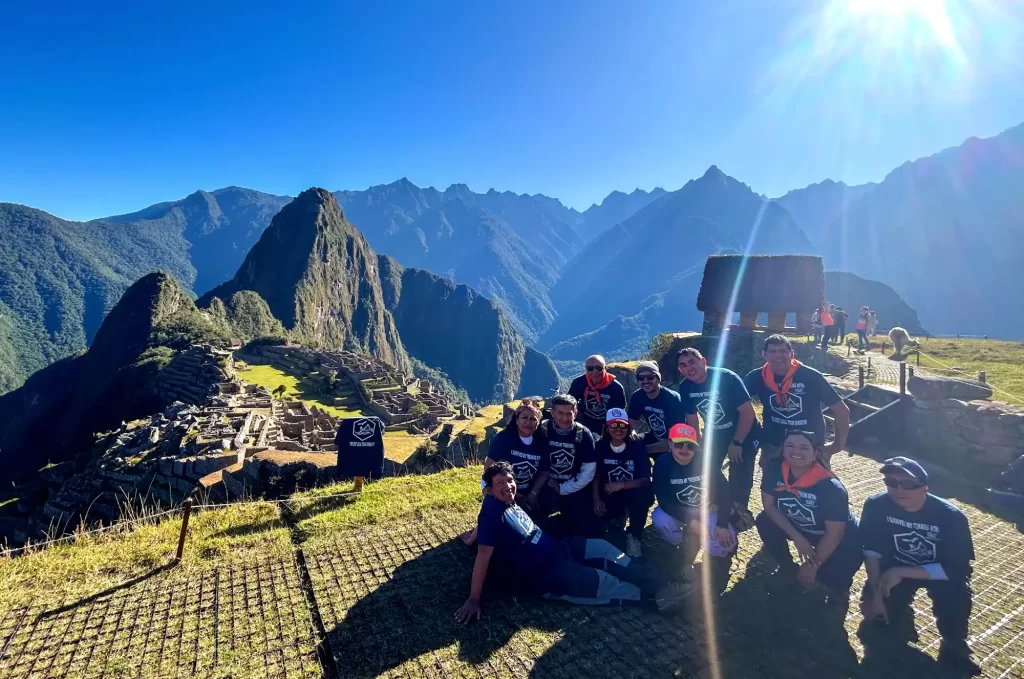
Salkantay Training: how to prepare your body before the trek
A proper training routine should start 6 to 8 weeks before your trip. The goal is to improve cardiovascular resistance, muscular strength, and recovery capacity.
1. Cardiovascular training
Recommendation: 3 to 4 sessions per week, increasing intensity progressively.
Effective options:
- Long hikes with incline
- Stair climbing
- Slow-paced running
- Outdoor or stationary cycling
Ideally, complete 10–15 km hikes once a week to simulate real effort.
2. Strength training
Focus on:
- Legs: squats, lunges, light deadlifts
- Core: planks, stability exercises
- Back: resistance band or dumbbell rows
Strong legs and core are essential for maintaining posture on ascents and descents.
3. Backpack training
During the final weeks, add hikes carrying a 3–6 kg backpack to simulate daily load.
How to prepare for Salkantay according to your current level
Beginner level
If you don’t exercise regularly:
- Start with short walks (30–45 min)
- Add basic strength exercises 2–3 times per week
- Increase intensity gradually
Intermediate level
If you exercise occasionally:
- Perform more intense cardio (40–60 min)
- Include weekend mountain hikes
- Increase weight in strength exercises
Advanced level
If you train consistently:
- Prioritize long hikes and backpack training
- Use interval training to improve aerobic capacity
- Complete at least two treks of 15–20 km before the trip


What to bring to perform better physically
- Broken-in trekking shoes
- Trekking poles
- Thermal and windproof clothing
- Energy snacks
- Hydration (minimum 2 liters per day)
Expert Tips (Viajero Tours)
1. Mandatory acclimatization
Arrive 2 nights before in Cusco to reduce altitude-related discomfort.
2. Best season
The best months are April to October.
3. Start the trek well-rested
Avoid demanding tours the day before.
4. Keep a constant pace
Efficiency matters more than speed.
5. Eat and drink even if you’re not hungry
You need continuous energy at high altitude.
6. Take advantage of designated rest stops
Avoid resting on very steep sections.
Conclusion: your Salkantay training will make the difference
Proper preparation and smart planning will make your Salkantay experience unforgettable, safe, and more enjoyable. Salkantay training is essential to overcome altitude challenges and reach Machu Picchu full of energy.
No comments:
Post a Comment