Monday, November 10, 2025

Manu National Park: The Definitive Guide for Visitors

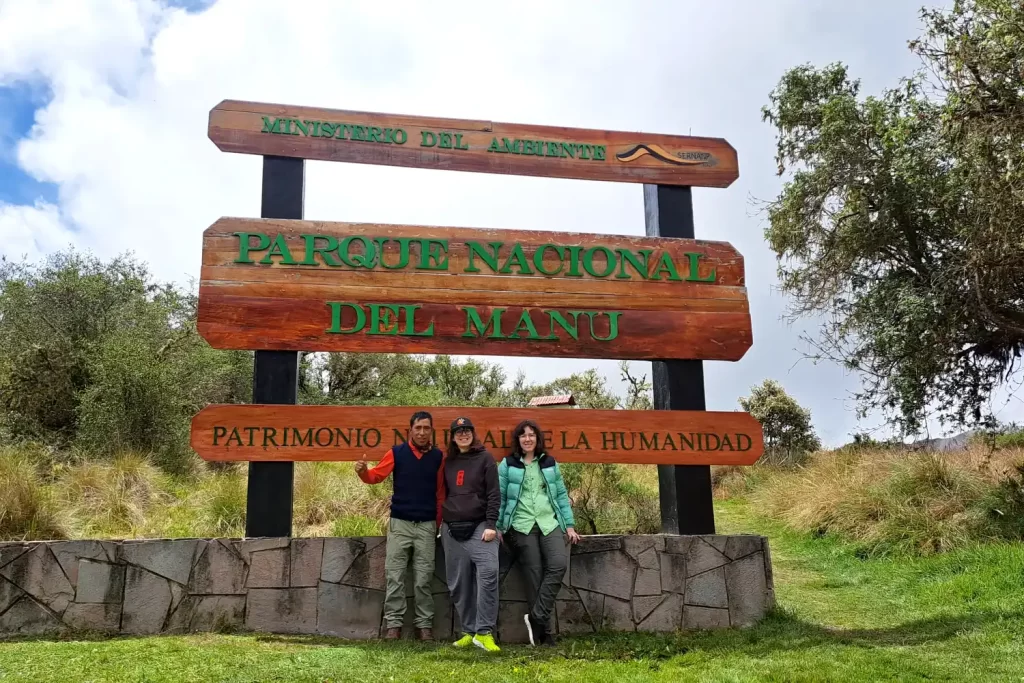
Hidden deep within the Peruvian Amazon, Manu National Park is one of the most biodiverse places on Earth. Declared a UNESCO World Heritage Site, this vast natural sanctuary attracts ecotourists, wildlife enthusiasts, and researchers from around the world. In this guide, you’ll discover everything you need to know before visiting — from how to get there to what wildlife you can expect to see.

1. Where Is Manu National Park Located?

Situated in the southeastern region of Peru, Manu National Park stretches across the departments of Cusco and Madre de Dios. Covering nearly 1.7 million hectares, it encompasses Andean cloud forests, lowland rainforests, and tropical plains. This variety of ecosystems makes it one of the most ecologically diverse protected areas in the world.

Getting There

The journey to Manu Jungle National Park is an adventure in itself.

  • From Cusco: Most travelers start from Cusco, taking a full-day drive to the park’s entrance at Atalaya or Paucartambo.
  • By Air: For those short on time, small planes can fly from Cusco to Boca Manu, near the park’s cultural zone.
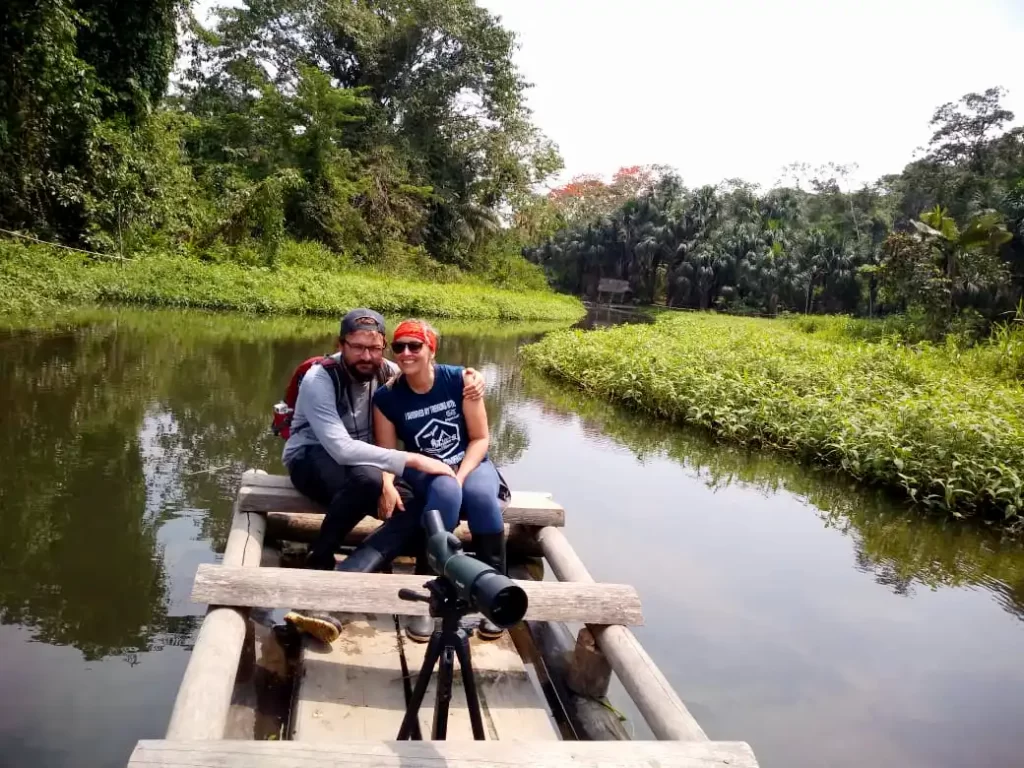
  • By River: The final leg often involves scenic boat rides along the Madre de Dios or Manu River.

2. Zones of Manu National Park

To preserve its delicate ecosystems, the park is divided into three main zones:

a. The Core Zone

A strictly protected area reserved for scientific research. Access is prohibited to the public to ensure minimal human impact.

b. The Reserved Zone

This is the most popular area for visitors. Here, you can explore pristine rainforest trails, visit clay licks, and observe wildlife under the guidance of certified tour operators.

c. The Cultural Zone

Located near local communities, this area offers visitors the chance to experience traditional Amazonian life and sustainable ecotourism projects.

3. Top Wildlife to See in Manu Biosphere Reserve

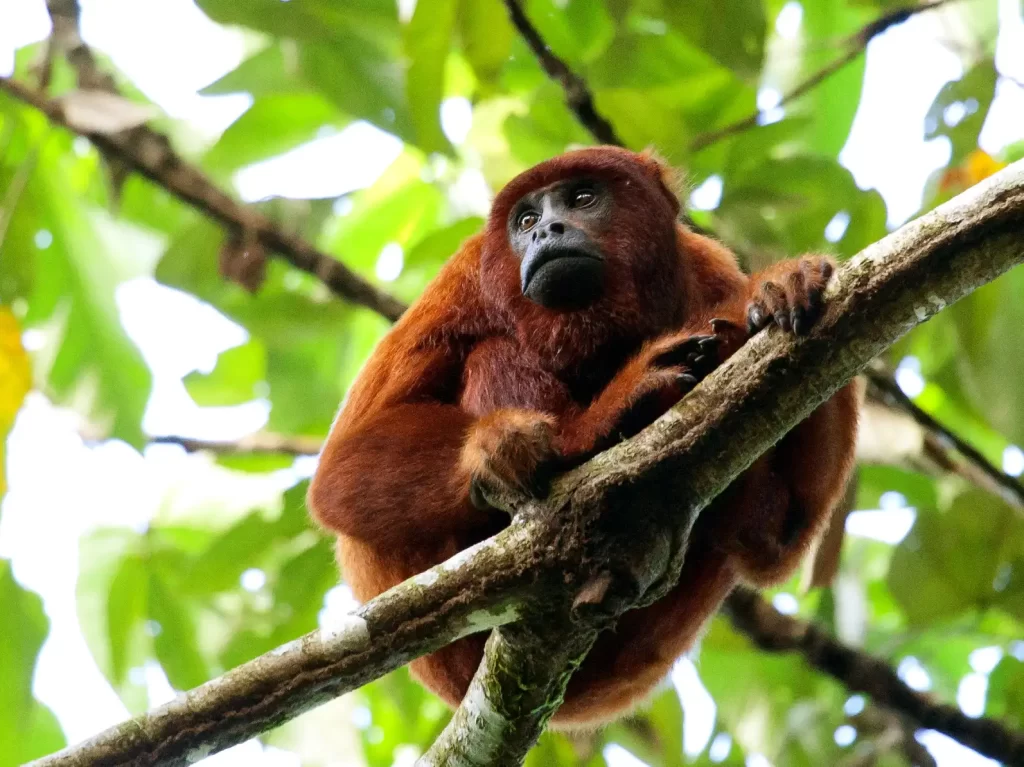
With over 1,000 bird species, 200 mammal species, and countless reptiles and insects, Manu Amazon Park is a paradise for nature lovers.
Some remarkable species include:

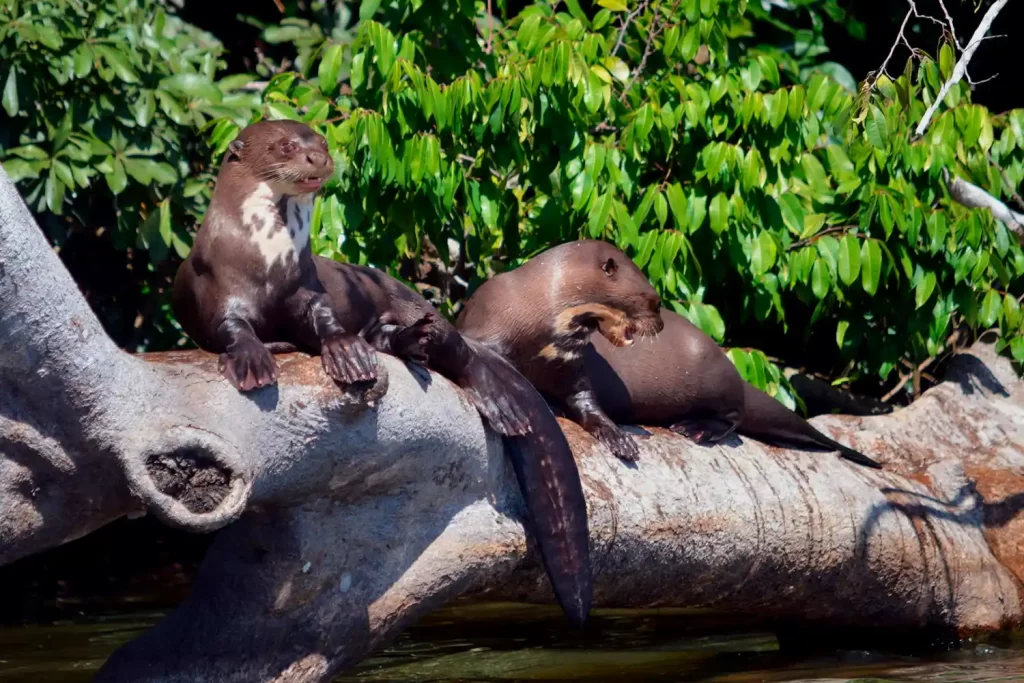
  • Giant River Otter – frequently spotted along the oxbow lakes.
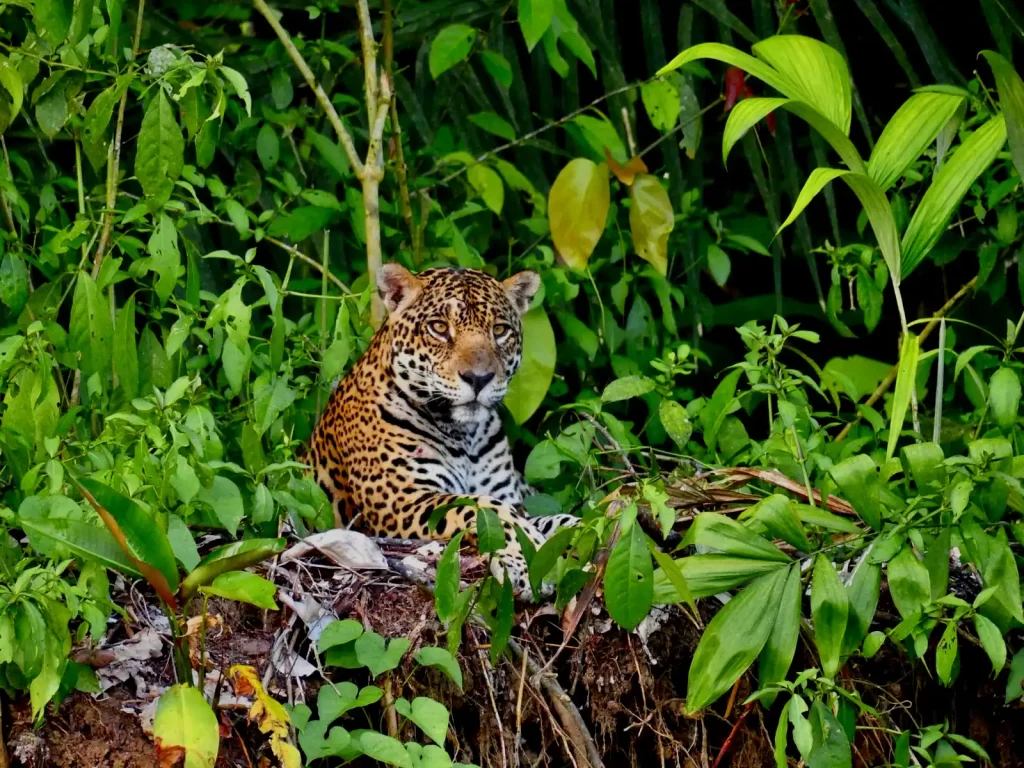
  • Jaguar – the elusive predator of the Amazon.
  • Macaws – bright flocks gather at clay licks to feed on minerals.
  • Spider Monkeys and Tapirs – common sightings during guided treks.

Tip: Visit between May and October (dry season) for optimal wildlife viewing and trail conditions.
4. Sustainable Tourism in Manu Jungle National Park

Visiting Manu National Park comes with the responsibility to protect it. Many lodges and tour operators now focus on eco-friendly practices such as solar power, waste management, and support for local communities.
Choosing certified ecotourism agencies ensures your visit benefits both nature and the indigenous populations living nearby.

5. Practical Tips for Visitors

  • Permits: Required for entry into the reserved zone.
  • Vaccinations: Yellow fever and malaria prevention are recommended.
  • Packing List: Lightweight clothing, rain gear, insect repellent, and binoculars.
  • Guides: Always travel with an authorized guide to ensure safety and deeper insights.

Conclusion

Manu National Park is more than a travel destination — it’s a living laboratory of life, offering visitors a chance to reconnect with untouched nature. Whether you’re a photographer, birdwatcher, or explorer, the park promises an unforgettable journey through one of the planet’s last true wildernesses.
Friday, November 7, 2025

The Definitive Handbook for the Choquequirao Trek

Introduction: Discover the Lost Sister of Machu Picchu

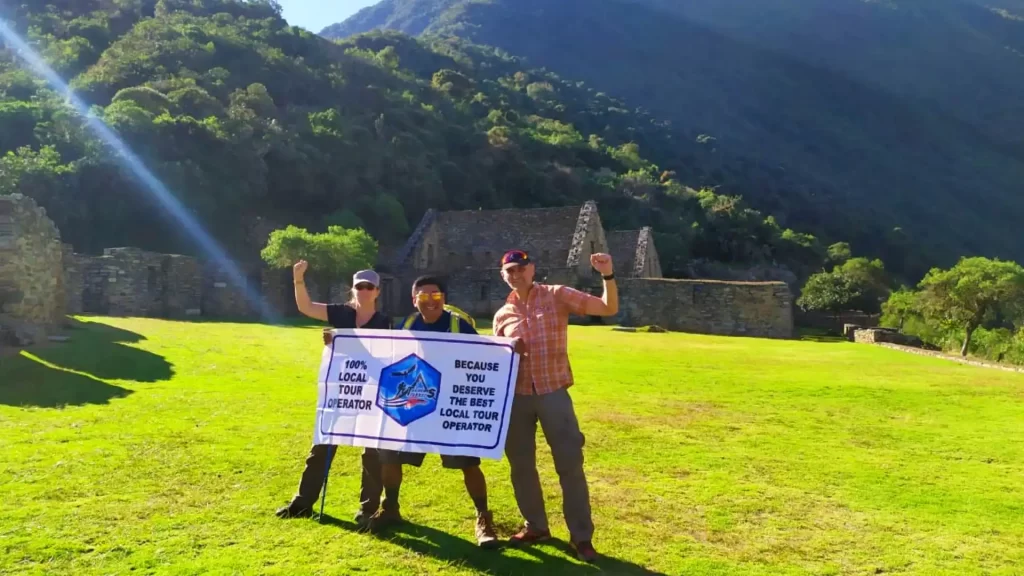
Hidden deep in the ApurĂ­mac Valley, the Choquequirao Trek is one of Peru’s most breathtaking and less-traveled routes. Often referred to as the “sacred sister of Machu Picchu,” Choquequirao offers travelers the rare opportunity to explore ancient Incan ruins surrounded by untouched wilderness and dramatic mountain landscapes. This handbook serves as your complete guide — from preparation tips to trekking logistics — to help you make the most of your journey.

Why Choose the Choquequirao Trek?

Unlike the popular Inca Trail, the Choquequirao hike offers solitude and authenticity. Only a few adventurers make the journey each day, making it ideal for those seeking a more spiritual and intimate connection with Inca history and nature.

  • Cultural authenticity: The ruins of Choquequirao remain largely unspoiled, offering a glimpse into Incan architecture and ceremonial life.
  • Stunning scenery: The trek passes through cloud forests, high-altitude passes, and deep canyons.
  • Physical challenge: This is considered one of the most demanding treks in the Cusco region — but also one of the most rewarding.

Planning Your Choquequirao Trail

Best Time to Go

The best months for the Choquequirao trail are April to October, during Peru’s dry season. Clear skies allow for incredible views of the Vilcabamba mountain range, and trails are generally safer and more stable.

Duration and Difficulty

  • Duration: 4 to 9 days (depending on whether you return or continue toward Machu Picchu).
  • Difficulty: Challenging — expect steep ascents and descents with altitudes ranging from 1,500 m to 3,300 m.
  • Fitness level: Recommended for experienced hikers or those accustomed to high-altitude trekking.

Essential Tips for Your Choquequirao Trekking Adventure

  1. Acclimatize in Cusco for at least 2 days before starting. The altitude adjustment will prevent fatigue and altitude sickness.
  2. Hire a licensed local guide or tour operator. They not only ensure safety but also share valuable insights into Incan culture and history.
  3. Pack light but smart:
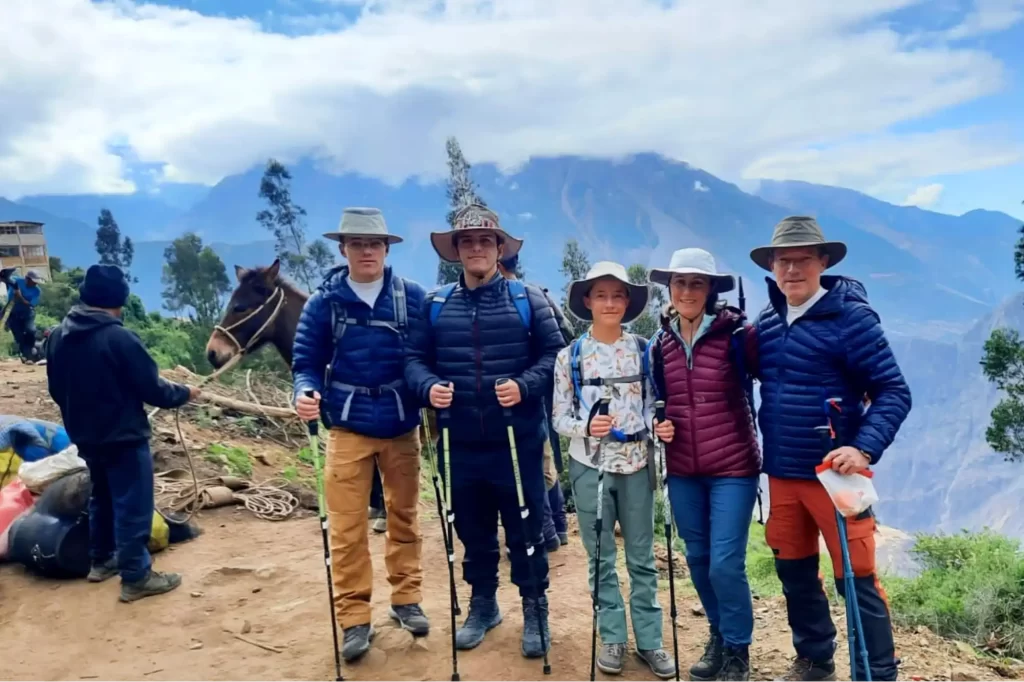
    • Comfortable trekking boots
    • Lightweight tent and sleeping bag (if camping)
    • Water purification tablets
    • Energy snacks and electrolytes
  4. Respect the environment. The Choquequirao Sanctuary is a protected area — carry out everything you bring in.

Highlights Along the Route

1. Capuliyoc Pass

The trek begins with breathtaking views of the ApurĂ­mac Canyon — one of the deepest in the world.

2. Marampata Village

A small Andean community offering basic accommodation and the warmth of local hospitality.

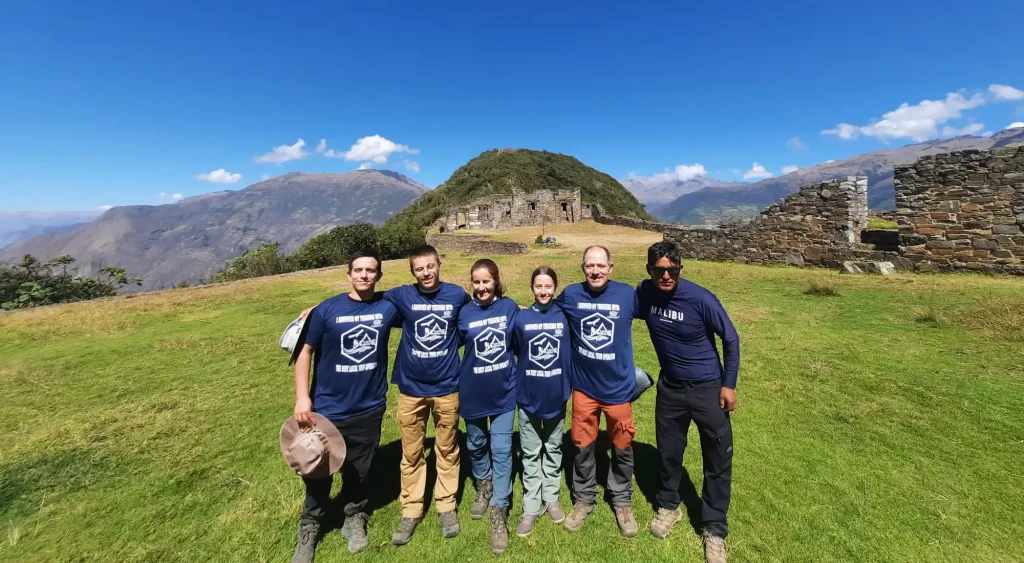
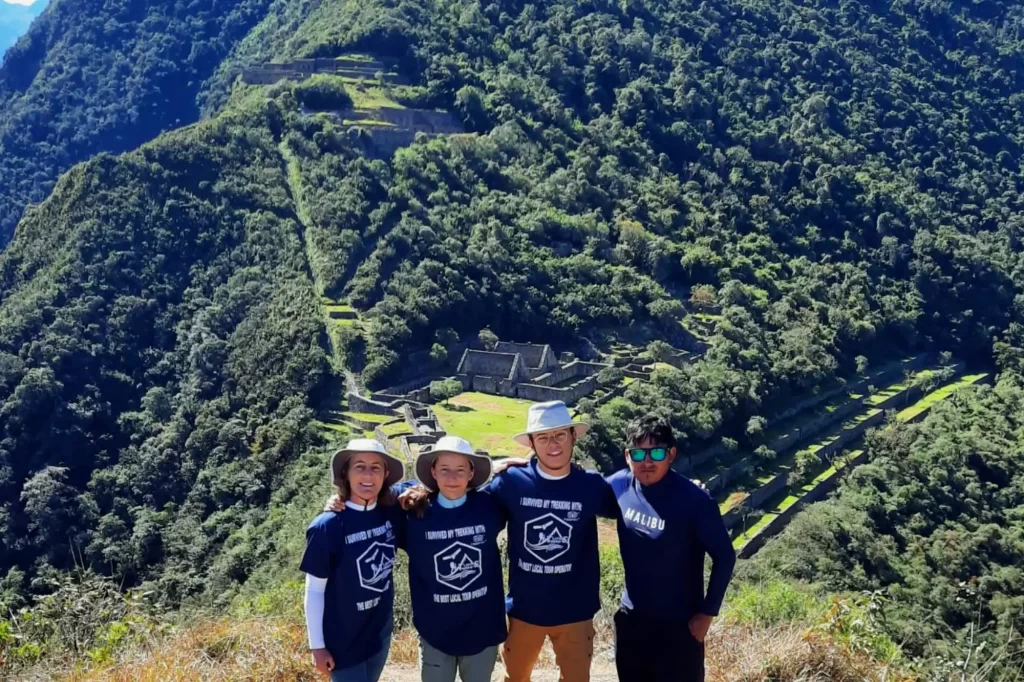
3. Choquequirao Archaeological Complex

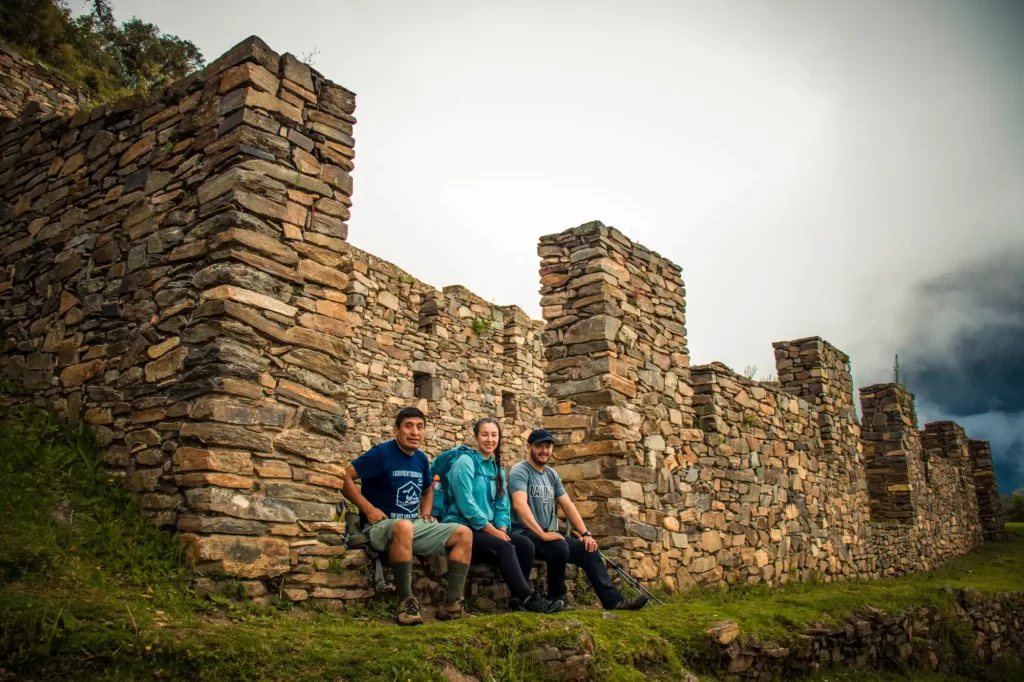
The centerpiece of the journey — an ancient Incan citadel covering over 1,800 hectares, much of it still hidden beneath dense vegetation.

Connecting Choquequirao and Machu Picchu

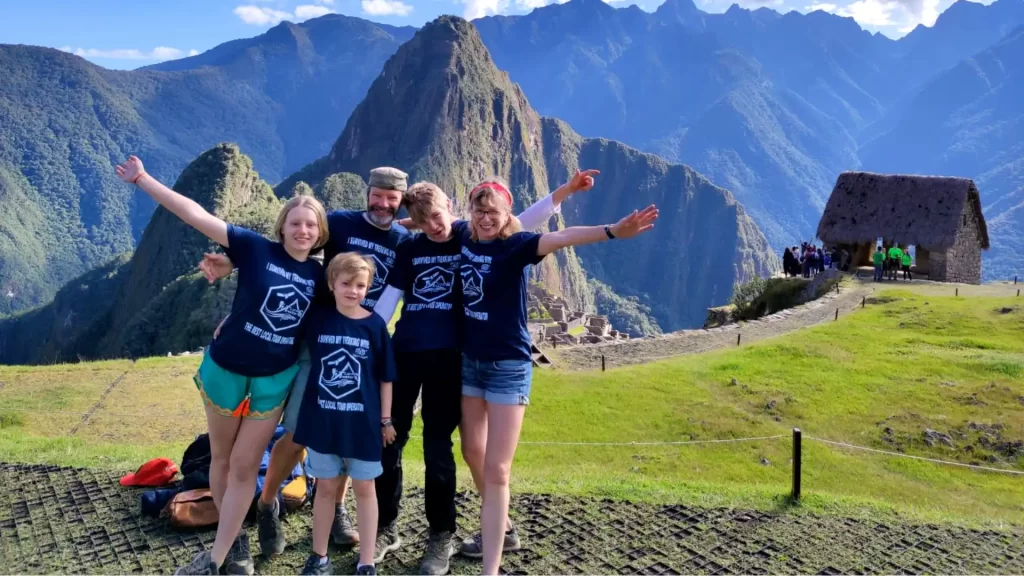
For those seeking the ultimate Choquequirao trekking adventure, consider extending your route toward Machu Picchu. This combination trek takes 8 to 9 days and links two of the greatest Incan cities through remote valleys and high passes. It’s a journey of both physical endurance and profound historical discovery.

Final Thoughts

The Choquequirao Trek is not just a hike — it’s a passage through time. It challenges your body, enriches your mind, and rewards you with a sense of peace that few places on Earth can offer. For travelers looking to go beyond the ordinary and experience the true essence of the Andes, Choquequirao remains one of Peru’s most remarkable treasures.