Showing posts with label inca trail. Show all posts

Tuesday, July 21, 2026

Lares Trek Packing List: What to Bring for 4 Days

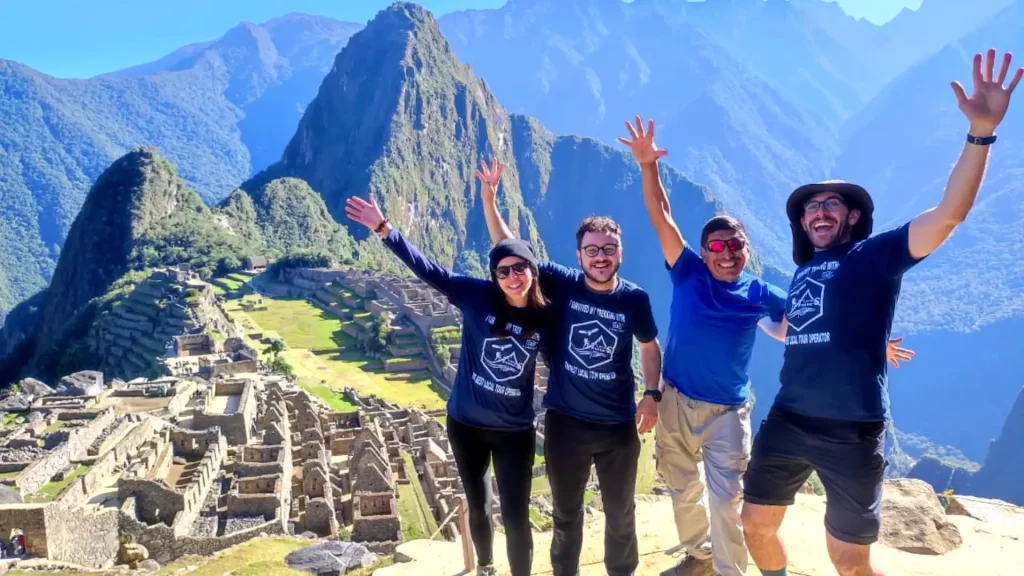
Preparing for an off-the-beaten-path adventure in the Andes is thrilling, but figuring out exactly what to put in your duffel bag can feel overwhelming. The weather in the mountains is notoriously unpredictable, making a reliable lares trek packing list your most valuable asset before you even step foot on the trail. If you are wondering what to pack lares trek style, you have come to the right place. In this comprehensive guide, we will break down exactly what you need for a comfortable, safe, and unforgettable 4-day journey to Machu Picchu.

Key Trek Data: Understanding Your Environment

Before diving into the gear, you need to understand the rugged environment you are about to explore. When considering hiking cusco what to bring, these facts dictate your clothing and equipment choices:

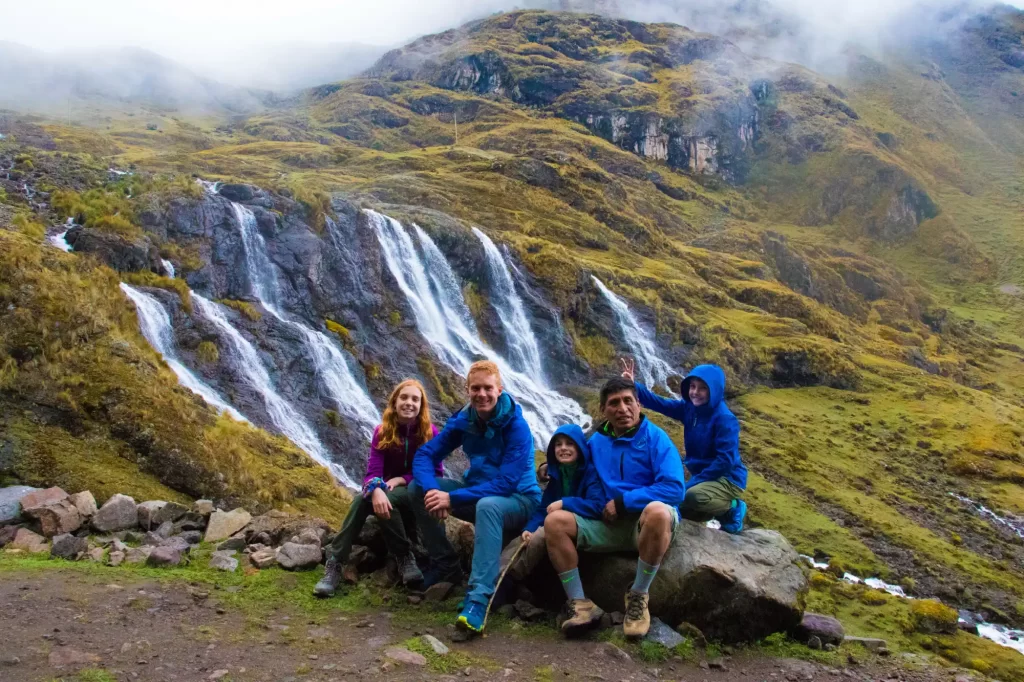
  • Altitud: The trail reaches its highest and most demanding point at the Sicllaccasa Pass, sitting at a breathtaking 4,750 meters (15,583 feet).
  • Clima: Highly variable and extreme. Expect warm, intense sunshine during the daytime and freezing temperatures that drop below zero at night.
  • Mejor temporada: The dry season, running from May to October, offers clear blue skies and the safest, least muddy trekking conditions.
  • Dificultad: Moderate to Challenging (3.5 out of 5). The high altitude is the biggest hurdle, requiring steady pacing and good stamina.
  • Qué llevar: A strategic mix of moisture-wicking base layers, heavy thermal insulation, and highly reliable waterproof outerwear.
The Ultimate Lares Trek Packing List Essentials

Building your perfect setup is all about the art of layering. You want clothes that you can easily add or remove as the mountain microclimates shift. Here is the essential lares trek gear you simply cannot hike without:

Clothing for the Mountains

Pack 3 to 4 moisture-wicking sports t-shirts, 2 pairs of durable trekking pants, and thermal underwear strictly for sleeping. You will also need a heavy fleece or down jacket, and a high-quality waterproof and windproof outer shell to protect you from sudden rain or snow.

Footwear and Accessories

Sturdy, well-broken-in waterproof hiking boots with excellent ankle support are completely non-negotiable. Pair them with 4 pairs of thick merino wool socks to prevent painful blisters. Don’t forget a warm beanie for the freezing nights and a sun hat for the day.

Your Daily Daypack

In your personal daypack, carry a 2-liter water bladder or reusable bottles to stay constantly hydrated. Include high-SPF sunscreen, UV-blocking sunglasses, hand sanitizer, and a basic personal first-aid kit with blister treatments.

Consejos de Experto: Pack Like a Local Trekkers Peru Guide

As local experts who spend our lives on these trails, we have seen it all. Here are a few insider packing secrets that most standard guides forget to mention:

  • Aclimatación en la mochila: Pack traditional coca leaves or coca candies in your daypack. Chewing them during the steep ascent to the pass is an ancient, highly effective way to fight altitude sickness.
  • Seguridad y baterías: The freezing mountain nights will drain your electronics incredibly fast. Sleep with your phone and power bank safely tucked inside your sleeping bag to preserve their battery life.
  • Horarios y capas: Trekking mornings start very early (often before 5:30 AM) when it is freezing. Start with all your layers on, and plan to strip down to a single t-shirt by 9:00 AM when the sun fully hits the valley.

Conclusion: Master Your Lares Trek Packing List

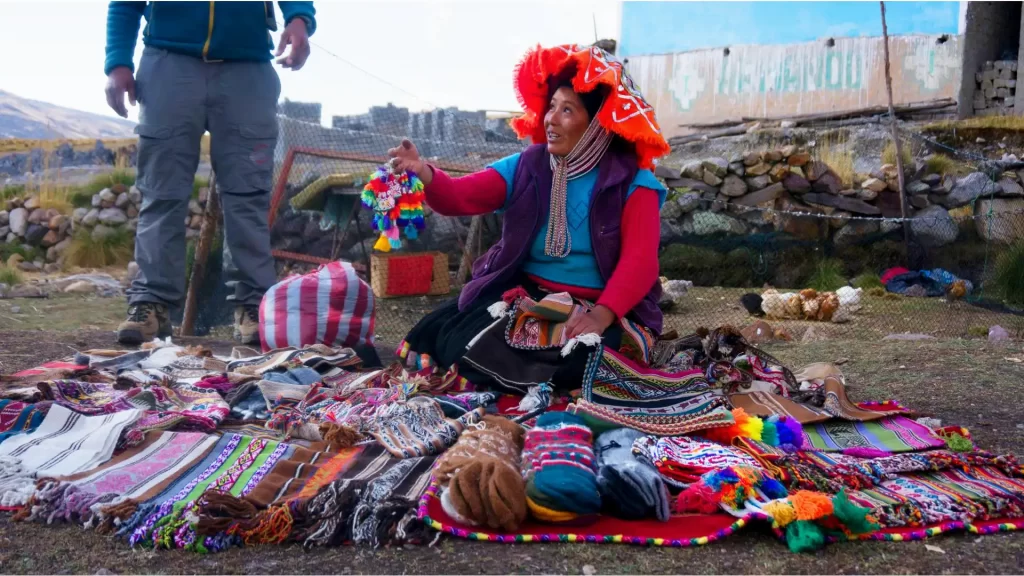
Trekking through remote Andean weaving communities and relaxing in natural hot springs is a truly life-changing experience. By carefully following this expert lares trek packing list, you guarantee that you will be warm, dry, and comfortable, allowing you to focus entirely on the stunning landscapes. Do not let packing stress ruin your adventure; proper preparation is the ultimate key to a successful journey.

Ready to experience the authentic Andes? At Local Trekkers Peru, we provide top-tier camping equipment, thick sleeping mats, and expert guidance so you can hike with absolute peace of mind. Contact us today to book your Lares Trek package and let’s start planning your ultimate mountain escape!

Thursday, May 21, 2026

10 Main Differences Between The Classic Inca Trail And The Salkantay Trek

Peru offers some of the most impressive hiking trails in the world, highlighting two famous routes that lead to the majestic citadel of Machu Picchu: the Classic Inca Trail and the Salkantay Trek. Although both destinations culminate at the same archaeological treasure, the experiences they offer are remarkably different. This article explores the 10 main differences you should consider before choosing your Andean adventure.

1. History and Cultural Significance

Classic Inca Trail: Hiking the Inca Trail means literally walking through history. This route is part of the extensive network of roads built by the Incas that connected their vast empire. The path you walk today is the same one used by Incan messengers and leaders more than 500 years ago, preserving original structures, tunnels, and stone staircases.

Salkantay Trek: Although it also crosses Incan territory, the Salkantay is not a historical route in the same sense. It’s an alternative path that passes near the imposing snow-capped Salkantay mountain (6,271 m), a sacred mountain or “Apu” for Andean culture. Its cultural value lies more in the spiritual connection with nature than in archaeological vestiges.

2. Permits and Restrictions

Classic Inca Trail: Extremely regulated, with a strict limit of 500 people per day (including guides and porters). Permits frequently sell out 6-8 months in advance, especially for the high season (May-September). It is mandatory to hire an authorized agency, and independent hiking is not allowed.

Salkantay Trek: Does not require special permits nor is there a daily limit of hikers. It can be booked with little advance notice and even undertaken independently without a guide, although it is not recommended for inexperienced hikers due to logistical challenges and altitude.

3. Difficulty and Physical Demands

Classic Inca Trail: Moderately demanding, with a maximum altitude of 4,215 meters at Warmiwañusca Pass (“Dead Woman’s Pass”). The route includes numerous Incan staircases and elevation changes, but it is well-maintained and more accessible to intermediate-level hikers.

Salkantay Trek: Considerably more demanding, with a maximum altitude point of 4,630 meters at Salkantay Pass. It presents more rugged terrain, greater elevation changes, and more extreme weather conditions. It requires better physical condition and more experience in mountain hiking.

4. Duration and Distance

Classic Inca Trail: The standard route covers approximately 43 km and is typically completed in 4 days/3 nights. The itinerary is practically standardized with specific camping points.

Salkantay Trek: Longer, with approximately 72 km, generally completed in 5 days/4 nights, although shorter variants exist. It offers greater flexibility in terms of itineraries and rest points.

5. Landscapes and Ecosystems

Classic Inca Trail: Cloud forest and high mountain landscapes predominate, with greater emphasis on archaeological sites found along the way such as Wiñay Wayna and Intipata.

Salkantay Trek: Offers a greater diversity of ecosystems, from glaciers and high mountain plateaus to tropical cloud forests. The landscape contrast is more pronounced, notably featuring the imposing snow-capped Salkantay mountain.

6. Infrastructure and Amenities

Classic Inca Trail: Designated campsites with basic facilities. All provisions must be transported by porters. There is no access to electricity or phone signal, and sanitary facilities are very basic.

Salkantay Trek: Offers more varied accommodation options, from basic campsites to “sky lodges” and hostels in some sections. At certain points, there is access to electricity and even Wi-Fi. Some variants include a night in hotels in Aguas Calientes.

7. Tourist Traffic

Classic Inca Trail: Due to restrictions, it has a controlled but constant flow of tourists. The experience is less solitary, especially in designated campsites where several groups coincide.

Salkantay Trek: Although increasingly popular, it offers a more solitary experience due to the greater extension of the route and the dispersion of hikers. It is possible to find moments of true solitude, especially if you opt for less conventional schedules.

8. Cost and Service Options

Classic Inca Trail: Generally more expensive due to limited permits and high demand. Prices typically range from $550-850 USD for the standard tour. Service options are more homogeneous.

Salkantay Trek: Offers a wider price range, from budget options (around $350-400 USD) to luxury experiences with premium lodge accommodation (which can exceed $1,000 USD). Greater variety of options according to budget.

9. Arrival at Machu Picchu

Classic Inca Trail: The great emotional advantage of this route is the direct arrival at Machu Picchu through the Sun Gate (Intipunku) at dawn, offering the iconic panoramic view of the citadel illuminated by the first rays of the sun.

Salkantay Trek: Culminates in the town of Aguas Calientes, from where a bus is taken to Machu Picchu the next day. It does not offer the experience of discovering the citadel by walking from the heights.

10. Local Cultural Experience

Classic Inca Trail: Primarily focused on Incan history and archaeology. Contact with current local communities is limited due to the isolated nature of the trail.

Salkantay Trek: Offers more opportunities for interaction with contemporary Quechua communities, passing through small villages where traditional agricultural practices and current Andean lifestyle can be observed.

Conclusion

Both the Classic Inca Trail and the Salkantay Trek offer unforgettable experiences in the Peruvian Andes, but with clearly distinct approaches. The Inca Trail privileges historical and archaeological immersion in Incan civilization, while the Salkantay stands out for its natural diversity and physical challenge. The choice will depend on your priorities: if you value more the direct historical connection and special arrival at Machu Picchu, the Inca Trail is your option. If you’re looking for a more challenging adventure, with more diverse landscapes and less crowded, the Salkantay might be the best alternative.