Saturday, January 31, 2026

Inca Trail Availability 2026 – How to Book

Are you dreaming of an unforgettable adventure in the Peruvian Andes? The Inca Trail to Machu Picchu is one of the most iconic treks in the world, and checking its availability in advance is crucial to secure your spot.

In this guide, you’ll learn everything about the Inca Trail Availability 2026, how to book your permit, and why the Choquequirao Trek is the perfect alternative if the permits are sold out.

Why Check the Inca Trail Availability 2026?

The Inca Trail is a protected route managed by the Peruvian government. Only 500 people per day (including guides, porters, and cooks) are allowed to enter.
This means that Inca Trail permits sell out months in advance, especially during the high season (May–September).

Key Fact: The official sale of Inca Trail permits for 2026 opens in October 2025, so book early to get your preferred dates.

How to Book the Inca Trail 2026 Step by Step

To book the Inca Trail, you must do it through an authorized tour operator like Local Trekkers Peru, accredited by the Ministry of Culture.

Booking Process:

  1. Choose your tentative travel date (6–8 months in advance).
  2. Check the Inca Trail availability 2026 with the agency.
  3. Send your personal information and a valid passport.
  4. Pay for your permit. Once issued, it’s non-refundable and non-transferable.
  5. Receive official confirmation and prepare your itinerary.

Tip: For trips between June and August, book as soon as the permits open, since demand peaks during these months.

Choquequirao Trek: The Ideal Alternative if Permits Are Sold Out

If the Inca Trail 2026 permits are already gone, the Choquequirao Trek is a hidden gem offering a truly authentic experience.

Useful Facts:

  • Maximum altitude: 3,300 m.a.s.l.
  • Average duration: 4–9 days (depending on itinerary).
  • Difficulty: Moderate to challenging.
  • Best season: April to October (dry season).
  • Highlights: Choquequirao ruins, Apurímac Canyon views, Andean villages.

The Choquequirao Trek combines history, nature, and tranquility—many adventurers call it “the less crowded Machu Picchu.”
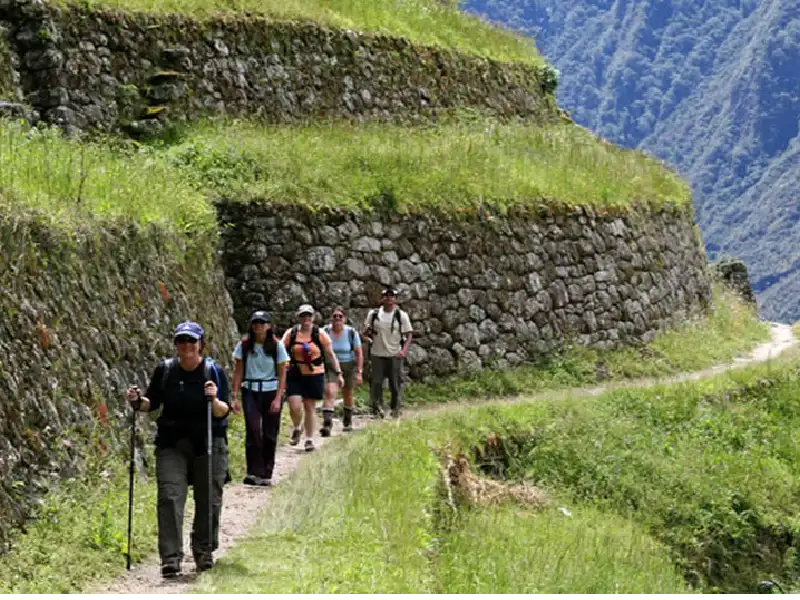
What to Pack for Your Trek (Inca Trail or Choquequirao)

Essential gear:

  • 30–40 L backpack
  • Trekking poles with rubber tips
  • Lightweight, quick-dry clothing
  • Waterproof jacket
  • Sunscreen and insect repellent
  • Headlamp
  • Water purification tablets

Expert Tips from Local Trekkers Peru

With years of experience guiding travelers, here are insider tips only local experts know:

  • Acclimatize: Spend at least 2 days in Cusco before trekking.
  • Avoid altitude sickness: Stay hydrated and drink coca tea.
  • Start early: Begin hikes between 5:00–6:00 a.m. to avoid strong sun.
  • Follow the rules: Entering without a permit can lead to fines.
  • Travel responsibly: Choose eco-friendly operators that support local communities.

Conclusion: Secure Your Spot for the Inca Trail 2026

The Inca Trail availability is limited, so planning ahead is key to experiencing this world-famous route. And if spots are gone, the Choquequirao Trek offers an equally magical journey.

Choquequirao Trek: The Ultimate Guide to Machu Picchu’s “Big Brother”

Choquequirao Trek is one of Peru’s most challenging, magical, and authentic routes. Known as Machu Picchu’s big brother, this journey takes you off the beaten path where nature, history, and adventure merge into an unforgettable experience for trekking lovers and culture enthusiasts.

What Makes the Choquequirao Trek Special?

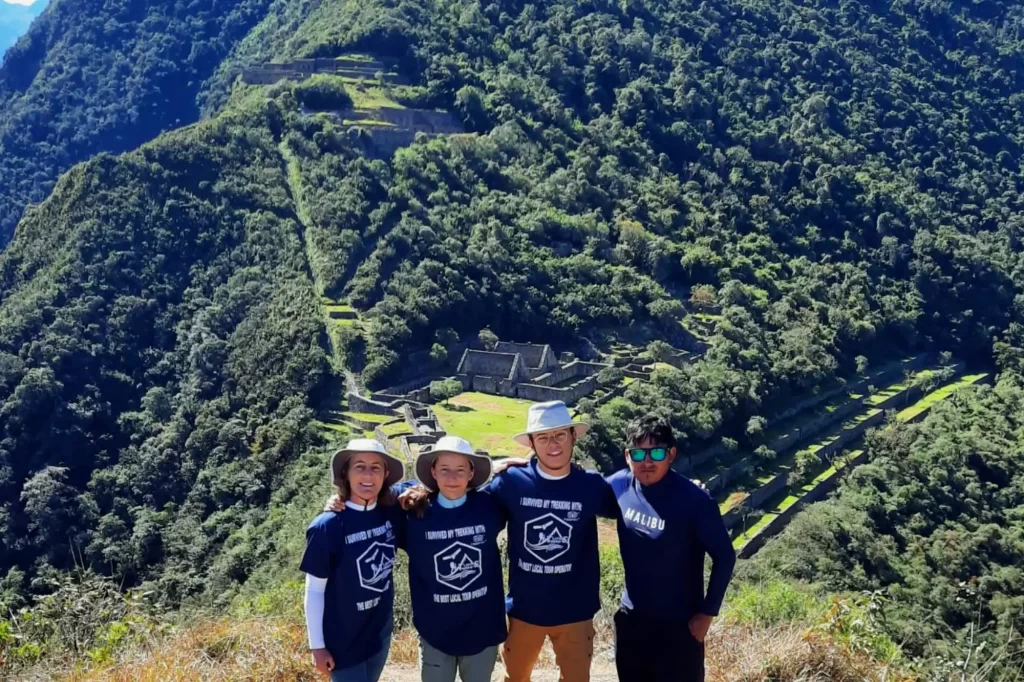
Unlike Machu Picchu, Choquequirao (meaning “Cradle of Gold” in Quechua) receives only a handful of visitors each day. Its remoteness makes it a hidden gem of Cusco. Along the trail, you’ll cross deep canyons, cloud forests, and sacred mountains that seem to touch the sky.

Altitude: 3,050 m a.s.l.
Climate: Warm days and cold nights.
Best season: April to October (dry season).
Difficulty: High – suitable for trekkers in good physical condition.

How to Get to Choquequirao

The starting point is the village of Capuliyoc, about 4 hours from Cusco. From there, the trail descends into the Apurímac Canyon, one of the deepest in South America. The climb up to Choquequirao is demanding but rewards hikers with incredible views of the river, snow-capped peaks, and ancient Inca terraces.

Access options:

  • Independent trekkers: You can hire mules and handlers in Cachora or Capuliyoc.
  • Guided tours: Local Trekkers Peru organizes guided departures with porters, meals, and full camping equipment, ensuring safety and comfort.

4-Day Route to the Lost City

The 4-day Choquequirao Trek is the most popular itinerary:

Day 1: Cusco – Capuliyoc – Chiquisca

Scenic descent into the Apurímac Canyon with breathtaking views of the Padreyoc and Qoriwayrachina peaks.

Day 2: Chiquisca – Marampata – Choquequirao

A tough ascent through subtropical vegetation leading to the archaeological complex in time for a stunning sunset.

Day 3: Choquequirao – Marampata – Chiquisca

Guided exploration of Choquequirao’s terraces, plazas, and temples, followed by a descent back to camp.

Day 4: Chiquisca – Capuliyoc – Cusco

Final climb and return to Cusco by private transport. End of the adventure.

Expert Tips from Local Trekkers Peru

  • Acclimatize first: Spend at least 2 days in Cusco before starting the trek.
  • Pack smart: Bring trekking poles, sunscreen, hat, light clothes for the day, and warm layers for the night.
  • Stay hydrated: The sun and effort can be intense—drink plenty of water.
  • Hire local staff: Mules and porters are essential. Local Trekkers Peru ensures ethical treatment for them.
  • Safety: Never hike alone—this is a demanding and remote route.

Why Trek with Local Trekkers Peru?

  • 100% local agency with years of experience in Cusco.
  • Small groups & certified guides trained in history and first aid.
  • Sustainable travel that respects local communities and nature.

Conclusion: Discover the Magic of the Choquequirao Trek

The Choquequirao Trek is not just a hike — it’s a spiritual journey into the heart of the Inca Empire. For travelers seeking authenticity, solitude, and adventure, this is the trail that captures the essence of Peru.