If you are looking for an authentic experience that combines nature, living culture, and a less crowded route to the Wonder of the World, the Lares Trek is one of the best options available. This trail connects remote Andean communities and offers a deep immersion into the heart of the Lares Valley, where traditions remain alive.
What Is the Lares Trek and Why Is It Unique?
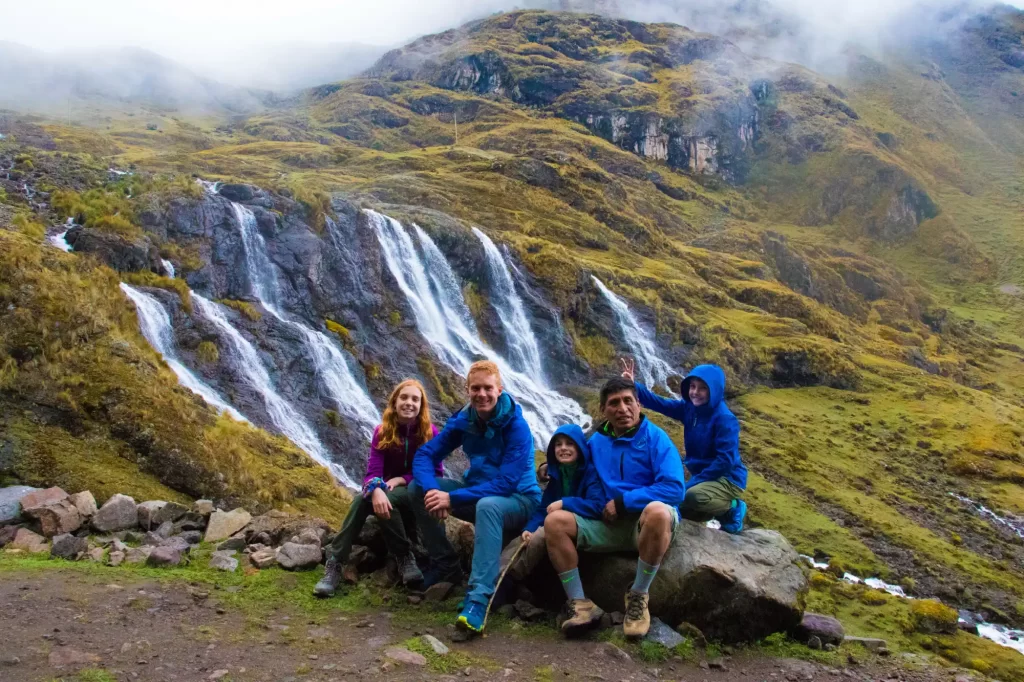
The Lares Trek is a high-altitude hike that begins in the town of Calca and leads to remote communities, turquoise lagoons, and mountain passes reaching over 4,400 m a.s.l. Unlike other routes, this one prioritizes a cultural hike in Cusco, where travelers interact with weaving families, llama herders, and landscapes untouched by mass tourism.

Key Facts for Planning
- Maximum altitude: 4,450 m a.s.l. (Ipsaycocha Pass).
- Duration: 3 to 4 days.
- Distance: Around 30–40 km depending on the itinerary.
- Difficulty: Moderate to challenging.
- Climate: Cold and dry; temperatures can drop to -5 °C at night.
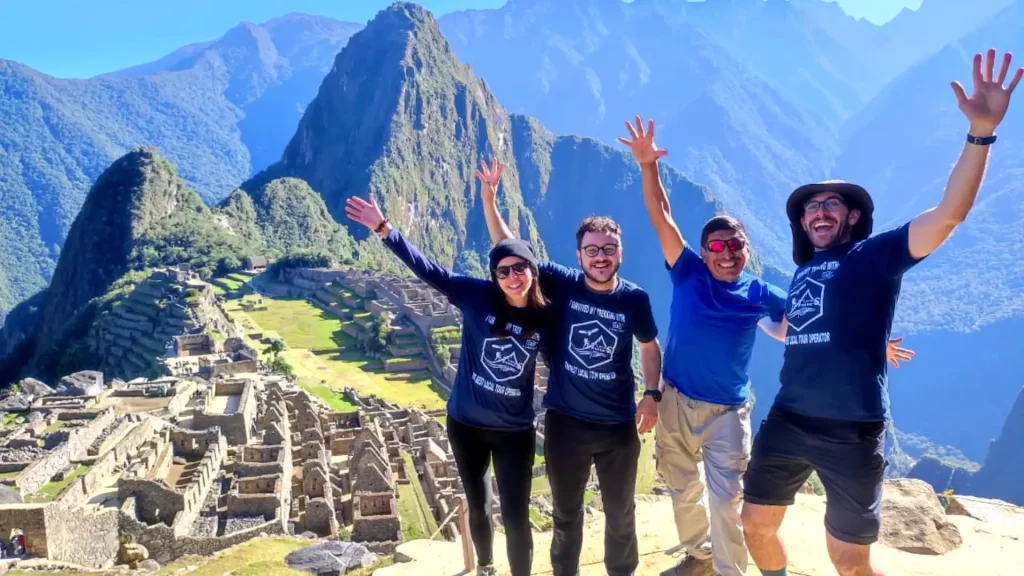
- Final destination: Machu Picchu (via Aguas Calientes).
Lares Trek: A Cultural Experience in the Lares Valley
Throughout the Lares Valley, travelers witness ancestral weaving techniques, traditional farming, and alpaca and llama herding. This route is perfect for those who want to connect with communities that preserve their original language (Quechua) and traditions passed down for generations.
Highlights of This Route
- Direct interaction with Andean communities.
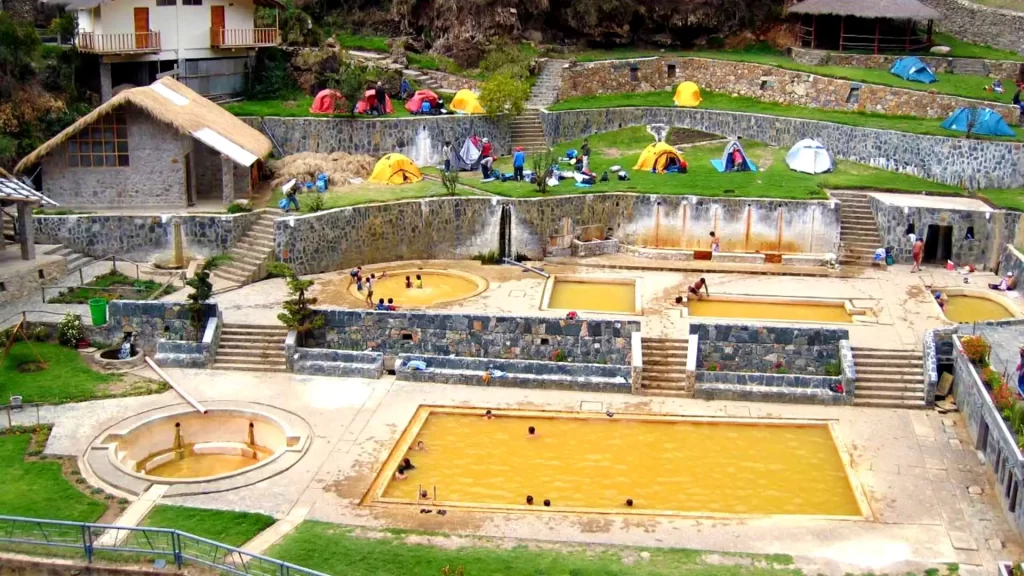
- Natural hot springs in Lares.
- Glacier-fed lagoons such as Ipsaycocha and Aruraycocha.
- Quiet and remote landscapes.
How Does the Lares Trek Compare to the Inca Trail?
Many travelers evaluate Lares vs Inca Trail before choosing their route to Machu Picchu. Here is a clear comparison:
Main Differences
- Crowds: The Inca Trail is more crowded; Lares offers solitude.
- Living culture: Lares emphasizes cultural immersion; Inca Trail focuses on archaeological sites.
- Difficulty: Both require good fitness, but Lares has higher and colder passes.
- Availability: Inca Trail sells out months in advance; Lares offers flexibility.
What to Pack for the Lares Trek
Essential Gear
- Thermal and windproof jacket.
- Sleeping bag rated to -10 °C.
- Trekking poles.
- Waterproof hiking boots.
- Sunscreen and sun hat.
- Thermal gloves and wool hat.
- Water purification tablets.
- Energy snacks and reusable bottle.
Expert Tips for the Lares Trek
At Viajero Tours, we know the details that elevate a traveler’s experience.
Practical Recommendations
- 2 days of acclimatization in Cusco before starting the trek.
- Start early each day to avoid afternoon cold and rain.
- Stay hydrated, even if you don’t feel thirsty.
- Respect local customs; always ask before taking photos.
- Choose a certified agency for logistics, safety, and altitude management.
- Monitor weather conditions, especially during the rainy season (Dec–Mar).
Best Time to Do the Lares Trek
The ideal time is April to October, with clear skies and dry terrain. The rainy season (November–March) is less recommended but can offer greener landscapes if you have appropriate gear.
Conclusion: Is the Lares Trek Worth It?
Absolutely. The Lares Trek is one of the most enriching and authentic routes to Machu Picchu. It blends living culture, high-mountain landscapes, and the peaceful atmosphere many travelers desire. If you want to explore this route with expert support, Viajero Tours can design a safe, well-organized, and meaningful experience.
No comments:
Post a Comment