Showing posts with label montaña de colores. Show all posts

Thursday, July 16, 2026

Manu National Park Tour 4 Days vs 7 Days: Which One Should You Choose?

 Are you dreaming of exploring the untouched depths of the Amazon rainforest but aren’t sure how much time you need? Choosing the right expedition can feel overwhelming when planning your trip to Peru.

Whether you are a casual nature lover or a hardcore wildlife photographer, booking a manu national park tour is the key to an unforgettable jungle adventure.

In this guide, we will break down the differences between the short and long itineraries so you can make the best choice for your travel style and schedule.

How to Choose Your Manu National Park Tour

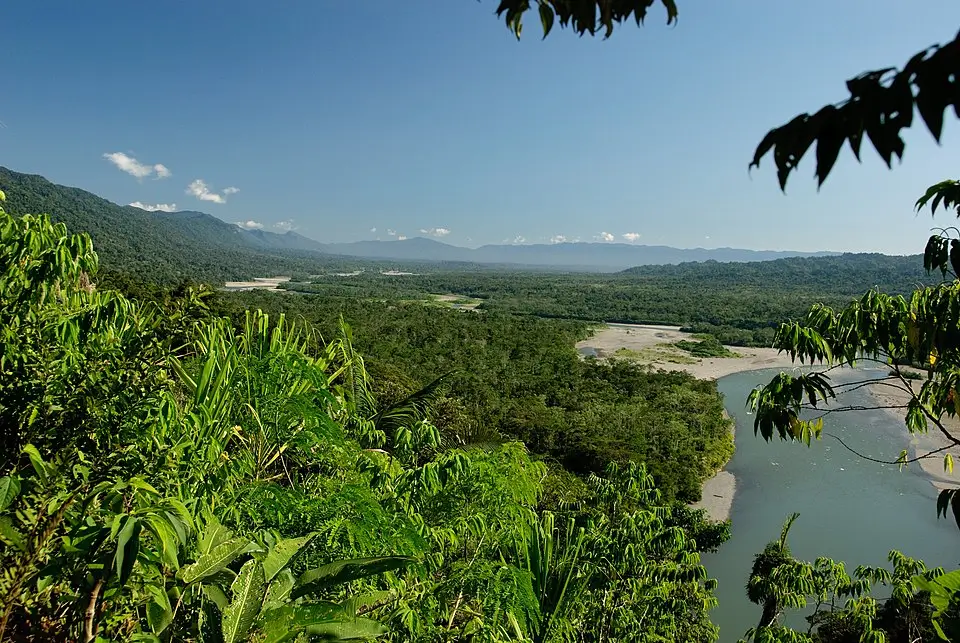
Manu National Park is one of the most biodiverse places on the planet, recognized as a UNESCO World Heritage Site. However, the park is massive and divided into different zones.

Your choice of days will directly impact which zones you can access and the type of wildlife you will encounter. Let’s compare the two most popular options to help you decide.

The Manu 4 Day Tour: A Quick & Immersive Escape

The manu 4 day tour is ideal for travelers who want to experience the magic of the Amazon but have limited time in Peru.

This itinerary typically focuses on the Cultural Zone of the park. You will travel through the beautiful cloud forest, spotting the famous Andean Cock-of-the-rock.

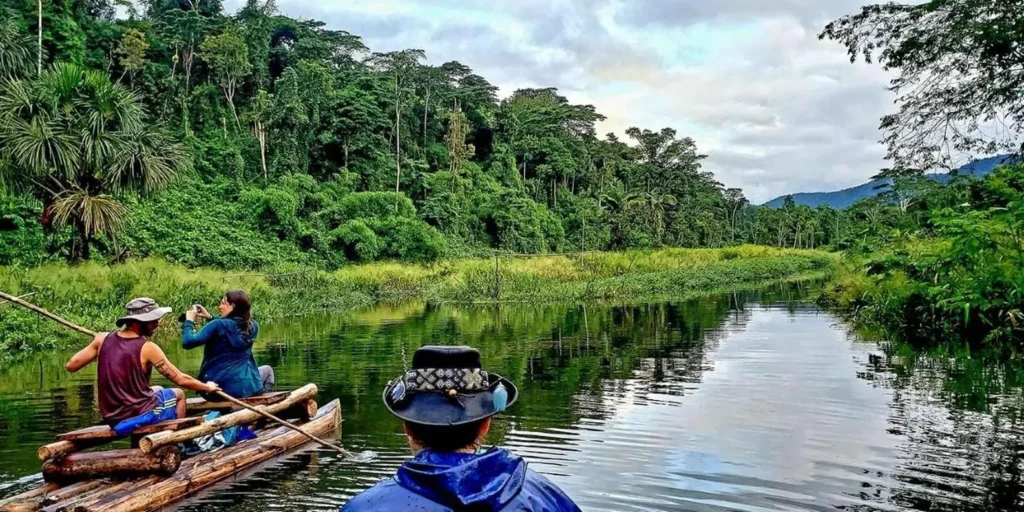
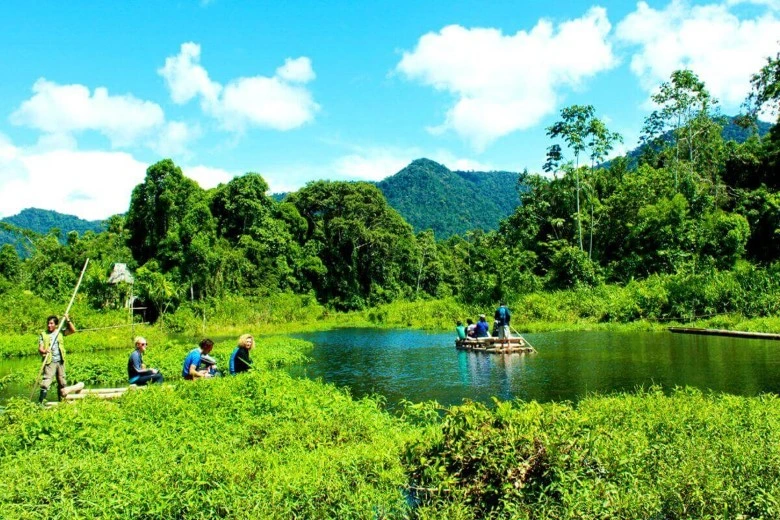
While you won’t reach the deepest parts of the reserve, you will still enjoy incredible activities. Expect to navigate rivers, visit oxbow lakes, and spot monkeys, colorful birds, and capybaras.

Pros of the 4-Day Tour:

  • Fits easily into a tight travel schedule.
  • More budget-friendly.
  • Less travel time on boats and buses.

The Manu 7 Day Tour: The Deep Amazon Expedition

If you want the ultimate wildlife experience, the manu 7 day tour is exactly what you need.

This extended trip takes you beyond the Cultural Zone and deep into the Reserved Zone. This is the pristine, untouched heart of the park where human footprint is minimal.

Because you venture further into the jungle, your chances of spotting elusive predators skyrocket. It is the perfect choice for spotting jaguars, giant river otters, and massive tapirs along the riverbanks.

Pros of the 7-Day Tour:

  • Access to the exclusive Reserved Zone.
  • Highest probability of spotting rare wildlife.
  • A true, disconnected Amazonian expedition.

Essential Travel Data: What You Need to Know

Before you book any manu tour from cusco, it is crucial to understand the environment you will be entering. Here are the hard facts to help you prepare:

  • Altitude: You will start in Cusco at 3,400m (11,152 ft), cross the Andes at 4,000m (13,123 ft), and drop to 300m (984 ft) in the jungle.
  • Climate: The jungle is hot and highly humid. Daytime temperatures range from 25°C to 35°C (77°F to 95°F). Nighttime in the cloud forest can drop to 10°C (50°F).
  • Best Season: The dry season, from May to October, is the best time to visit. Animals gather around rivers, making them easier to spot.
  • Difficulty: Easy to Moderate. Most exploration is done by boat or easy walking trails, but the heat and humidity can be physically draining.

Expert Tips from Local Trekkers Peru

As local experts, we want to ensure your manu national park itinerary goes off without a hitch. Here are some insider tips you won’t find in standard guidebooks:

  • Layer Up for the Journey: The drive from Cusco to the jungle takes you through freezing high-altitude passes before descending into tropical heat. Dress in peelable layers!
  • Pack the Right Repellent: Natural mosquito repellents rarely work in the deep Amazon. Bring a strong repellent with at least 20-30% DEET.
  • Bring Binoculars: The jungle canopy is high and dense. A good pair of binoculars (8×42 or 10×42) is non-negotiable for spotting monkeys and exotic birds.
  • Cash is King: There are no ATMs in the jungle. Bring small Peruvian Soles for water, snacks, or tipping local lodge staff.
  • Protect Your Gear: The humidity is intense, and sudden downpours happen. Keep your cameras, passports, and electronics in waterproof dry bags.

Conclusion: Ready for the Best Manu Tour?

Deciding between 4 or 7 days ultimately comes down to your budget, time, and passion for wildlife. The 4-day trip offers a fantastic, accessible taste of the jungle, while the 7-day trip is a once-in-a-lifetime deep dive into pristine nature.

No matter which option you choose, embarking on a manu national park tour will leave you with memories that last a lifetime.

Wednesday, April 1, 2026

Inca Trail Location: Where This Iconic Trek Starts and Finishes

Machu Picchu is on everyone’s bucket list, but the journey to get there is just as legendary as the destination itself. If you are planning this once-in-a-lifetime adventure, understanding the specific Inca Trail location is the first step in turning your dream into a reality.

While most travelers know the trek takes place in the Andes, many are surprised by the diverse geography covered along the way. From arid Andean valleys to the lush cloud forest, knowing exactly where does the Inca Trail start and where it ends will help you prepare mentally and physically.

In this guide, Local Trekkers Peru breaks down the geographical details, the Inca Trail trekking route Peru, and what you can expect from the terrain on this ancient path.

Understanding the Inca Trail Location and Geography

Geographically, the classic Inca Trail is located in the Cusco region of southern Peru. It winds through the majestic Andes Mountains, specifically connecting the Sacred Valley of the Incas to the Amazonian cloud forest where Machu Picchu is hidden.

The Inca Trail route to Machu Picchu is not just a straight line; it is a historic network of stone paths laid by the Incas centuries ago. Because of its protected status as a UNESCO World Heritage site and part of the Historic Sanctuary of Machu Picchu, the route is heavily regulated to preserve its integrity.

Where Does the Inca Trail Start? The Famous KM 82

So, where does the Inca Trail start exactly?

The official starting point of the Inca Trail is known as KM 82. This location is named after the marker at the 82nd kilometer along the railway tracks leading from Cusco to Aguas Calientes.

Here are the key details about the start:

  • Location Name: Piscacucho (commonly referred to as KM 82).
  • Altitude: Approximately 2,600 meters (8,530 feet).
  • The Experience: This is where the KM 82 Inca Trail starting point checkpoint is located. You will present your passport and permit here. Once you cross the suspension bridge over the Urubamba River, your adventure officially begins.

Note: Some longer variations of the trek may start at KM 88, but the standard classic Inca Trail route details almost always focus on KM 82 as the beginning.

Inca Trail Itinerary Overview: The Path in Between

Between the start and the finish, the Inca Trail distance and route cover roughly 43 kilometers (26 miles). While that might not sound like a huge distance, the steep vertical gain and high altitude make it a challenging feat.

If you look at an Inca Trail route map, you will see the path snakes southward and then west, crossing high mountain passes before descending into the jungle.

Key Landmarks on the Route:

  1. Wayllabamba: The last inhabited village and usual campsite for Day 1.
  2. Dead Woman’s Pass (Warmiwañusca): The highest point of the trek at 4,215m (13,828 ft).
  3. Phuyupatamarca: Known as the “Town in the Clouds,” offering spectacular views.
  4. Wiñay Wayna: The most stunning archaeological site on the trail before Machu Picchu.

Where Does the Inca Trail End? The Sun Gate

After four days of hiking, where does the Inca Trail end?

Unlike the train travelers who arrive at the town of Aguas Calientes (Machu Picchu Pueblo), trekkers have the exclusive privilege of arriving directly at the citadel from above.

The official ending point of the Inca Trail is the Inti Punku (Sun Gate).

  • The Moment: Arriving at the Sun Gate is emotional. From here, you get your first panoramic view of Machu Picchu spread out below you.
  • The Final Stretch: From the Sun Gate, it is a short, downhill walk (about 45 minutes) to the Guardhouse, where you capture that classic postcard photo of the ruins.

Quick Facts: How Long is the Inca Trail and What to Expect

To help you prepare, here is a summary of the technical data regarding the Inca Trail location and difficulty:

FeatureDetail
Total Distance43 km / 26 miles
Duration4 Days / 3 Nights (Classic Route)
Starting Elevation2,600m (8,530 ft) – KM 82
Max Elevation4,215m (13,828 ft) – Dead Woman’s Pass
Ending Elevation2,430m (7,972 ft) – Machu Picchu
DifficultyModerate to Challenging
Best Time to GoMay to September (Dry Season)

Common Question: How long is the Inca Trail? While the classic trek is 4 days, there is also a “Short Inca Trail” option (2 days) that starts at KM 104.

Expert Tips from Local Trekkers Peru

As local experts, we know that knowing the map isn’t enough. Here are our top tips for mastering the Inca Trail trekking route Peru:

  • Acclimatize in Cusco: Do not head to the starting point of the Inca Trail immediately upon landing in Peru. Spend at least 2 to 3 days in Cusco or the Sacred Valley to adjust to the altitude.
  • Book 6 Months in Advance: Permits are limited to 500 per day (including porters and guides). If you want specific dates, you must book early.
  • Prepare for “Inca Flat”: Guides often joke about the trail being “Inca Flat.” This usually means rolling hills that are rarely actually flat. Train your legs for stairs!
  • Respect the Porters: They are the heroes of the trail. At Local Trekkers Peru, we treat our team like family, ensuring fair pay and proper gear. Always yield the way to porters on the trail.

Conclusion

The Inca Trail location offers one of the most diverse hiking experiences on the planet. From the dry scrub at KM 82 to the misty cloud forest at the Sun Gate, every step connects you to the history of the Andean people.

Knowing where does the Inca Trail start and end is just the beginning of your planning. Now that you understand the route, it’s time to secure your spot on this legendary path.