Trekking the Inca Trail is a once-in-a-lifetime adventure that challenges both body and mind. To fully enjoy this iconic journey to Machu Picchu, proper Inca Trail physical preparation is essential. This guide will help you build the endurance, strength, and mental resilience required to conquer the trail safely and confidently.
Understanding the Physical Demands of the Inca Trail
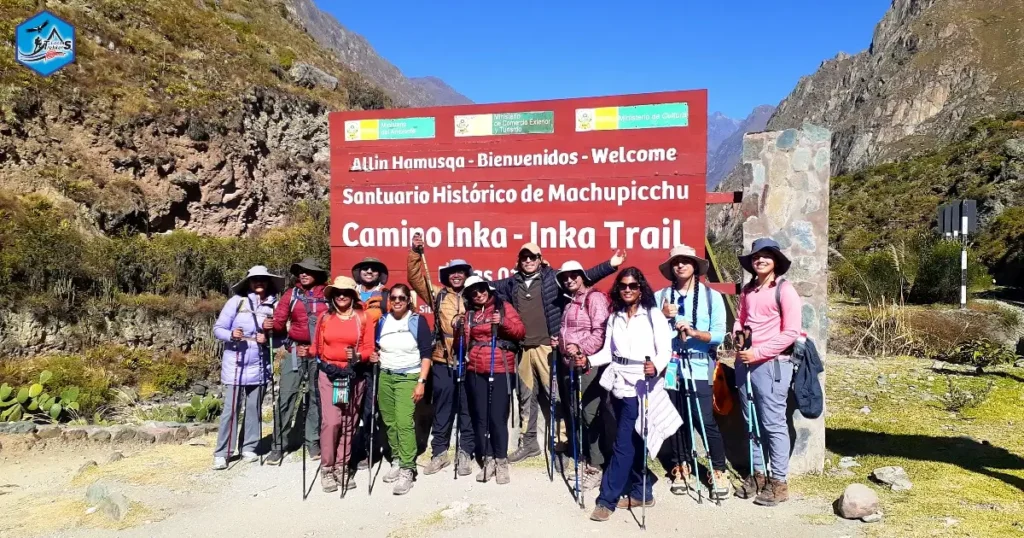
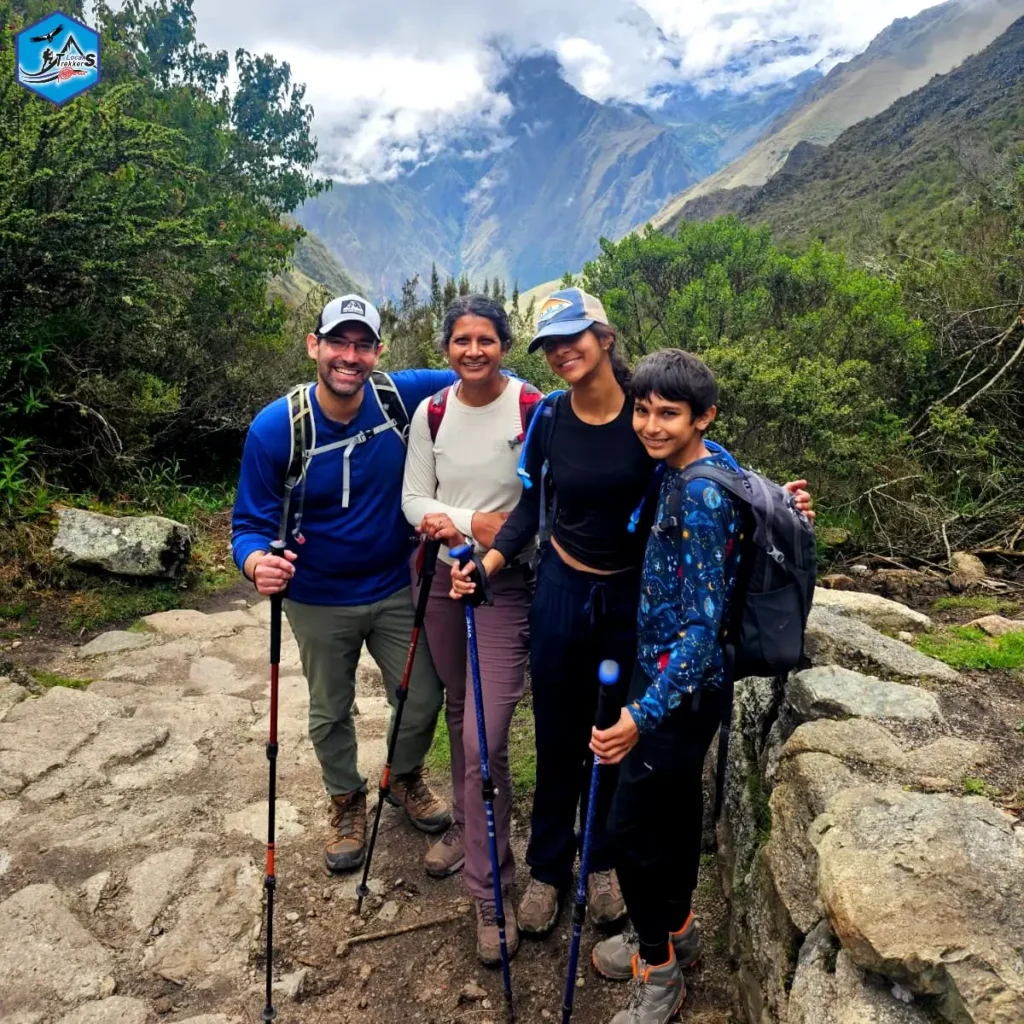
The Inca Trail spans about 43 kilometers (26 miles) and reaches altitudes of up to 4,200 meters (13,800 feet). The trek involves steep climbs, uneven terrain, and long walking hours. Without adequate training for Inca Trail, even experienced hikers may find it challenging to adapt to the altitude and physical strain.

Building Endurance and Cardiovascular Strength
Start with Aerobic Exercises
Cardiovascular training is the foundation of successful Inca Trail trekking preparation. Activities like running, swimming, or cycling 3–4 times per week can improve your stamina and oxygen efficiency.
Example:
Try alternating 30-minute jogs with uphill hikes on weekends to simulate trail conditions.
Hiking Practice
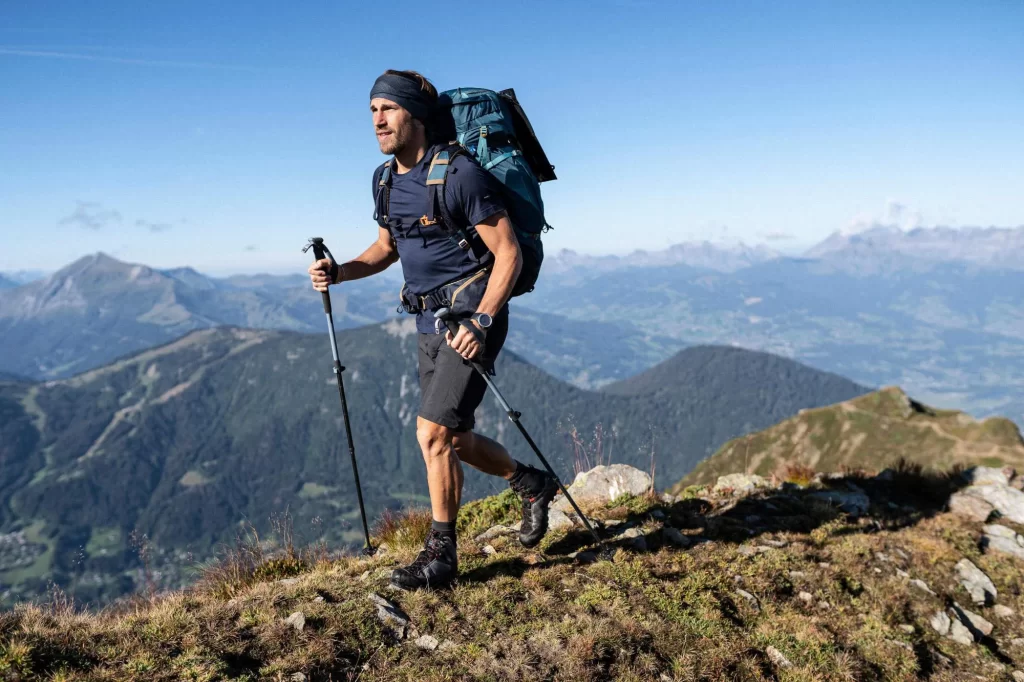
If possible, hike with a backpack similar in weight to what you’ll carry during the trek. Gradually increase distance and elevation each week.
Strength Training for Trekking Performance
Focus on Core and Leg Muscles
Strong legs and a stable core help maintain balance on rocky paths. Incorporate squats, lunges, and planks into your weekly routine.
Example Workout Plan:
- Monday: Squats + lunges (3 sets of 15)
- Wednesday: Planks + crunches (3 sets)
- Friday: Step-ups with weighted pack
This targeted training supports better posture and reduces fatigue over long trekking days.
Acclimatization and Altitude Preparation
Altitude sickness can affect even fit travelers. To prepare:
- Arrive in Cusco 2–3 days before your trek to acclimatize.
- Stay hydrated and avoid alcohol.
- Include aerobic workouts at higher elevations if possible.
Gradual exposure is a key element of Inca Trail physical preparation, ensuring your body adjusts to thinner air.
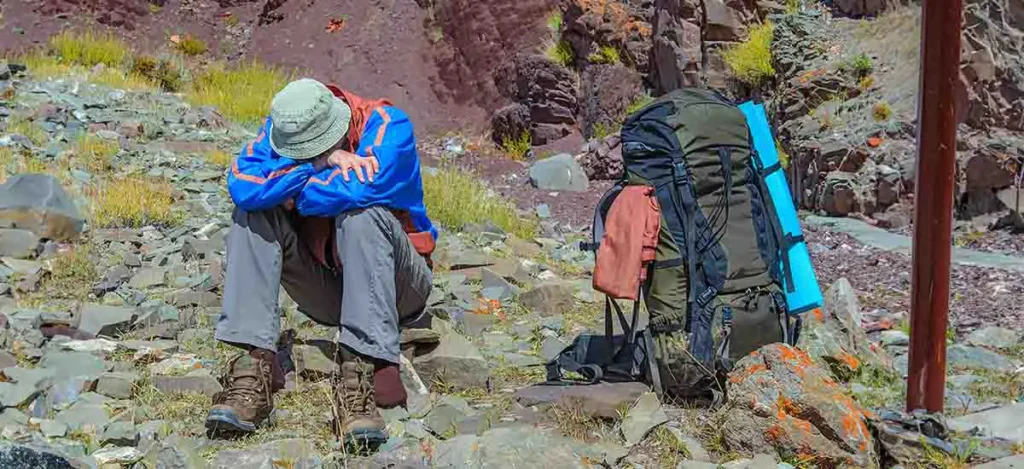


Mental Preparation and Recovery
Trekking the Inca Trail is as much a mental challenge as it is physical. Meditation, yoga, and mindfulness can help maintain focus and motivation.
Post-trek recovery is equally important: stretch daily, rest well, and fuel your body with balanced nutrition rich in protein and complex carbohydrates.
Conclusion
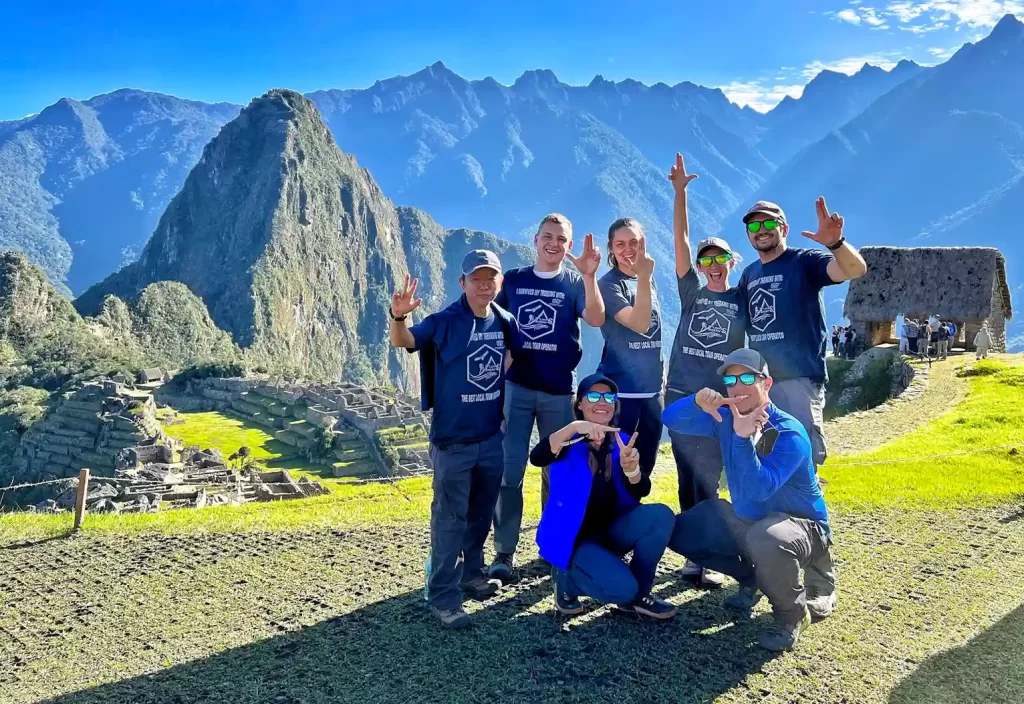
Completing the Inca Trail is an extraordinary accomplishment — one that rewards preparation and dedication. With consistent training for Inca Trail, smart Inca Trail fitness tips, and a balanced approach to conditioning, you’ll be ready to embrace the breathtaking landscapes and ancient history of this remarkable journey.
No comments:
Post a Comment