Machu Picchu is the ultimate bucket-list destination for millions of travelers. However, as the trip approaches, excitement often turns into anxiety with one burning question: is climbing Machu Picchu difficult?
Whether you are planning a multi-day trek or simply taking the train to visit the citadel, understanding the physical demands is crucial for an enjoyable experience. The answer isn’t a simple “yes” or “no” because it depends entirely on how you plan to experience the Lost City of the Incas.
In this guide, Local Trekkers Peru breaks down the difficulty levels, altitude factors, and fitness requirements to help you prepare for the adventure of a lifetime.
What Do We Mean by “Climbing” Machu Picchu?
Before we assess the Machu Picchu difficulty level, we need to clarify what part of the experience you are referring to. Generally, travelers fall into three categories:
- The General Visitor: Walking around the stone structures of the main citadel.
- The Mountain Climber: Adding an extra hike to Huayna Picchu or Machu Picchu Mountain.
- The Trekker: Hiking the Inca Trail or Salkantay Trek to get to Machu Picchu.
Below, we explore the difficulty for each scenario so you can decide is Machu Picchu hard to climb for your specific itinerary.

Is Climbing Machu Picchu Difficult? A Breakdown by Route
To give you a realistic idea of what to expect, here is how the different options compare in terms of physical exertion.
1. Exploring the Citadel (Standard Visit)
- Difficulty: Low to Moderate
- Duration: 2 to 3 hours
- Terrain: Uneven stone steps, grassy areas, and some steep inclines.
If you take the bus up from Aguas Calientes, you skip the heavy lifting. However, the Machu Picchu hiking experience inside the ruins still involves walking. The circuits are one-way, meaning once you start, you must keep moving. While can beginners hike Machu Picchu‘s main circuit? Absolutely. Just be prepared for uneven ground and plenty of stairs.
2. Climbing Huayna Picchu (The Famous Peak)
- Difficulty: Moderate to Hard
- Elevation Gain: ~290 meters (951 feet) from the citadel.
- Best for: Adrenaline seekers and those not afraid of heights.
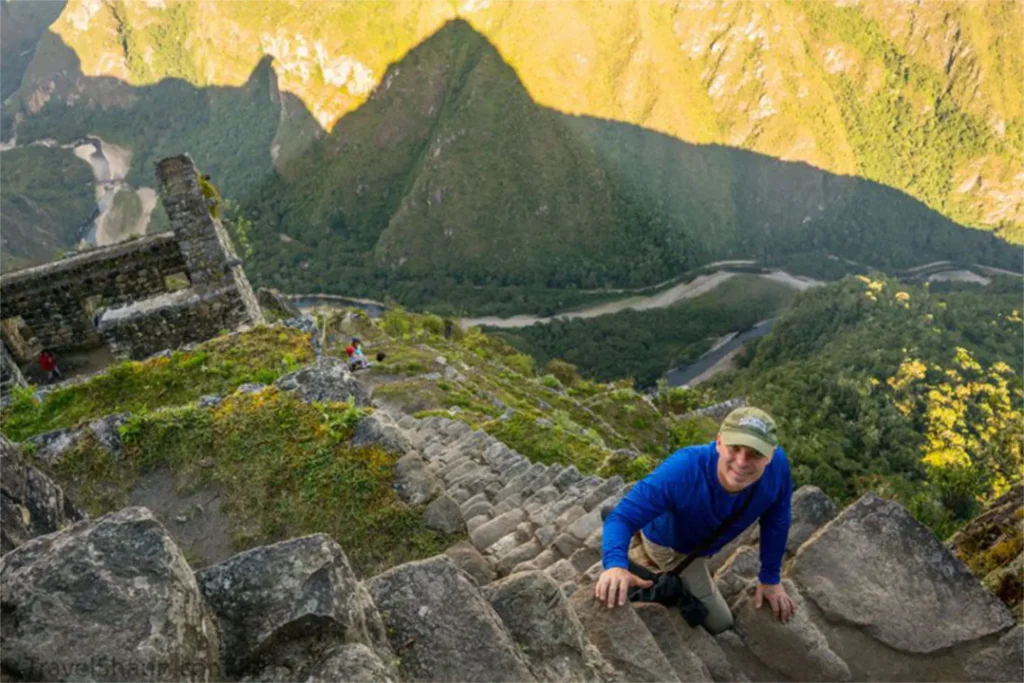
This is the iconic peak you see in the background of classic photos. How hard is Machu Picchu hike here? It is short but intense. The trail is steep, narrow, and includes the famous “Stairs of Death.” It requires hand-over-foot climbing in some sections.
3. Climbing Machu Picchu Mountain
- Difficulty: Hard
- Elevation Gain: ~600 meters (1,968 feet) from the citadel.
- Best for: Hikers who want panoramic views and less crowds.
This is often considered the toughest day-hike option at the site. The Machu Picchu trekking difficulty here comes from the relentless uphill stone stairs and the duration (approx. 3 hours round trip). It is physically demanding but technically easier than Huayna Picchu as the path is wider.
Machu Picchu Hike Fitness Requirements
You don’t need to be an Olympic athlete to enjoy the ruins, but being in decent shape helps immensely. Here is a reality check on the Machu Picchu hike fitness requirements:
- Cardio is Key: Even if you are fit at sea level, the altitude will make your heart work harder.
- Leg Strength: Expect to do hundreds of lunges. Squats and stair-master sessions at the gym are great ways of preparing for Machu Picchu hike legs.
- Balance: The Inca stones are irregular and can be slippery. Good core strength helps with stability.
If you can walk for 3-4 hours on uneven terrain without exhaustion, you are ready for the main citadel. If you plan on the extra mountains, we recommend training 2-3 months in advance.


The Invisible Challenge: Machu Picchu Altitude Difficulty
Many travelers are surprised to learn that Machu Picchu (2,430m / 7,972ft) is actually lower than the city of Cusco (3,399m / 11,152ft).
However, Machu Picchu altitude difficulty is still a factor, especially on the climbs.
- Shortness of Breath: Oxygen is thinner here than at sea level. You will feel winded faster.
- Hydration: The altitude accelerates dehydration, which leads to fatigue.
Pro Fact: If you have spent 2 or 3 days acclimatizing in Cusco or the Sacred Valley, your body will likely feel great at Machu Picchu due to the drop in elevation!
Expert Tips from Local Trekkers Peru
As local experts, we want to ensure your trip is memorable for the views, not the blisters. Here are our top Machu Picchu hiking tips:
- Footwear Matters: Do not wear brand new hiking boots. Break them in beforehand. For the main ruins, sturdy trail running shoes or sneakers with good grip are sufficient.
- Pace Yourself: This is not a race. The guides at Local Trekkers Peru always remind guests: “Paso a paso” (step by step). Rushing leads to altitude sickness.
- Pack Light: You are only allowed small daypacks inside. Carrying heavy gear will only make the Machu Picchu trekking difficulty feel worse. Bring water, sunscreen, bug spray, and a rain poncho.
- Time of Day: The morning offers cooler temperatures for climbing, but the afternoon often sees fewer crowds in the citadel.
Conclusion
So, is climbing Machu Picchu difficult? For the average traveler, the visit to the main ruins is moderately physical but completely accessible. If you choose to tackle Huayna Picchu or Machu Picchu Mountain, the challenge increases significantly, requiring better fitness and mental determination.
Regardless of the route you choose, the feeling of standing among the clouds and ancient stones makes every step worth the effort. With the right preparation and a trusted local guide, you can conquer the Andes with confidence.
No comments:
Post a Comment