Imagine waking up to the roar of Red Howler monkeys echoing through the mist, while colorful macaws fly overhead in pairs. Welcome to Manu, widely considered the most biologically diverse place on Earth. However, navigating the logistics of this vast Amazonian expanse can be overwhelming for first-time travelers.
That is why we created this comprehensive Manu National Park visitor guide. Whether you are a wildlife photographer, a birdwatching enthusiast, or an adventurer seeking the deep jungle, this guide will provide everything you need to know to explore the Peruvian Amazon safely and responsibly with Local Trekkers Peru.
Why You Should Visit Manu National Park
Unlike other Amazon destinations that are easily accessible by commercial flights, Manu retains a wild, untouched atmosphere. Designated a UNESCO World Heritage Site, this park spans across the Andes and the Amazon basin, creating a unique variety of ecosystems.
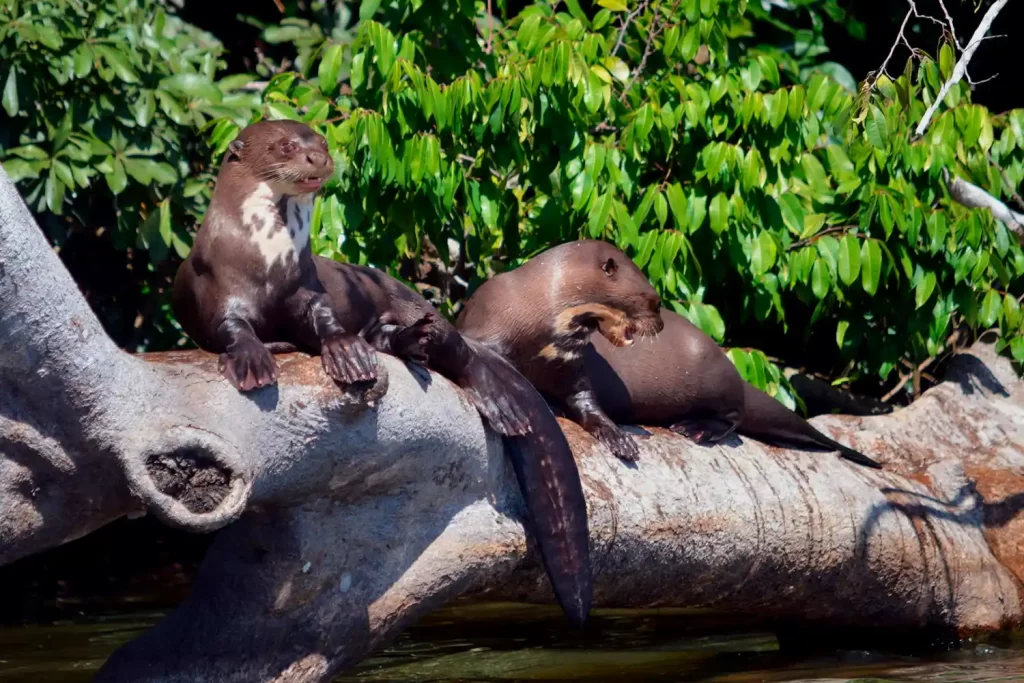
The sheer volume of wildlife in Manu National Park is staggering. It is home to over 1,000 species of birds, giant river otters, black caimans, and the elusive jaguar. Because the park is more isolated than regions like Puerto Maldonado, the animals here are often less shy, offering superior viewing opportunities.
Understanding the Zones: Cultural vs. Reserved
To plan the perfect Manu National Park travel guide, you must understand the geography. The park is divided into three distinct zones, and knowing the difference is crucial for your Manu National Park itinerary:
- The Cultural Zone: This is a buffer zone accessible to everyone. It contains villages, lodges, and agriculture. It is great for shorter trips (3-4 days) and birdwatching, specifically to see the Cock-of-the-Rock.
- The Reserved Zone: This is the heart of the jungle. Access is strictly controlled, and you can only enter with an authorized agency like Local Trekkers Peru. This is where you find pristine primary rainforest and the best wildlife spotting opportunities.
- The Intangible Zone: This area is strictly forbidden to tourists and researchers to protect indigenous tribes living in voluntary isolation.


How to Visit Manu National Park
Many travelers ask how to visit Manu National Park given its remote location. Unlike Iquitos or Tambopata, you don’t just fly in; the journey is part of the adventure.
Most Manu rainforest tours begin in Cusco. The classic route involves an overland journey through the Andes, descending into the Cloud Forest (a biodiversity hotspot in its own right), and finally boarding a motorized canoe to travel down the Madre de Dios River.
Note: Accessing the Reserved Zone usually requires a multi-day expedition (minimum 5 to 7 days) due to the travel time involved.
The Best Time to Visit Manu National Park
Choosing the right dates is essential for a good experience. The best time to visit Manu National Park is generally during the dry season, but each season has its pros and cons:
Dry Season (May to October)
- Pros: Trails are less muddy, mosquitoes are fewer, and macaws are most active at the clay licks.
- Highlight: As river levels drop, animals (especially Jaguars and Caimans) congregate on the riverbanks, making them easier to spot from the boat.
- Cons: It can get hotter during the day.
Wet Season (November to April)
- Pros: The forest is lush and green, and fruit is abundant (attracting monkeys). River travel is faster due to higher water levels.
- Cons: Rain can disrupt activities, trails are muddy, and there are more insects.
- Note: February is the wettest month; some operators close for maintenance.
Top Things to Do in Manu National Park
A well-planned trip should include a variety of activities. Here are the unmissable things to do in Manu National Park:
- Visit a Macaw Clay Lick (Collpa): Watch hundreds of macaws and parrots gather at dawn to eat clay—a spectacular display of color and sound.
- Explore Oxbow Lakes (Cocha Salvador/Otorongo): Navigate these calm lakes on catamarans to see Giant River Otters and Black Caimans.
- Night Walks: The jungle comes alive at night. Spot tarantulas, tree frogs, and unique insects.
- Canopy Tower Observation: Climb up to the treetops to see the jungle from the perspective of monkeys and toucans.


Essential Data for your Manu National Park Visitor Guide
To ensure you are prepared, here is the technical data you need before booking your Manu jungle tours Peru:
- Altitude: You will travel from Cusco (3,400m / 11,150ft) down to the Amazon basin (300m / 980ft). No altitude sickness medication is needed for the jungle itself, but the drive down is high.
- Temperature: Average daytime highs are 30°C – 35°C (86°F – 95°F). Nights can be cool during “friajes” (cold fronts).
- Vaccinations: Yellow Fever vaccination is highly recommended (bring your card). Malaria is rare but consult your doctor.
- Electricity: Most lodges in the Reserved Zone have electricity only for a few hours a day (generator or solar). Bring power banks.
Expert Tips for Visiting the Manu Biosphere Reserve Peru
As locals, we know that small details make a big difference. Here are our top tips for your Manu Biosphere Reserve Peru adventure:
- Binoculars are Non-Negotiable: The jungle is dense. Without 8×42 or 10×42 binoculars, you will miss 50% of the wildlife.
- Wear Neutral Colors: Bright colors scare animals. Wear greens, browns, and beige. Avoid black (attracts heat/mosquitoes) and white (too visible).
- Cash is King: There are no ATMs in the jungle. Bring Soles for tips and handicrafts sold by local communities.
- Silence is Golden: The quieter you are, the more you will see. Trust your guide’s ears—they can hear a monkey troop long before you see it.
- Pack Long Sleeves: Even if it is hot, long loose cotton pants and shirts protect you from sun and insects better than repellent.
Conclusion
Visiting the Amazon is a transformative experience, and Manu offers the most authentic encounter with nature in South America. We hope this Manu National Park visitor guide has answered your questions and fueled your wanderlust.
The key to a successful trip lies in choosing the right zone and a responsible operator who respects the delicate ecosystem.
No comments:
Post a Comment