Are you dreaming of standing before the mystical Lost City of the Incas, but the idea of a multi-day trek isn’t quite your style? You are not alone. While the Inca Trail is legendary, traveling to Machu Picchu by train is the most popular, comfortable, and scenic way to experience this Wonder of the World.
For many travelers, the journey to the citadel is as magical as the destination itself. winding through the Sacred Valley and watching the landscape transform from high Andean peaks to the lush cloud forest is an unforgettable experience. In this guide, brought to you by Local Trekkers Peru, we will break down everything you need to know about trains to Machu Picchu, ensuring your trip is smooth, safe, and spectacular.
Why Choose to Travel to Machu Picchu by Train?
Taking the train isn’t just about convenience; it is a front-row seat to Peru’s biodiversity. The railway follows the course of the Urubamba River, offering panoramic views that are inaccessible by road.
Whether you are looking for a luxury trains to Machu Picchu experience with gourmet dining or a budget train to Machu Picchu that gets you there efficiently, the railway system caters to every type of traveler. It is the perfect option for families, those with tight schedules, or anyone who wants to save their energy for exploring the ruins.
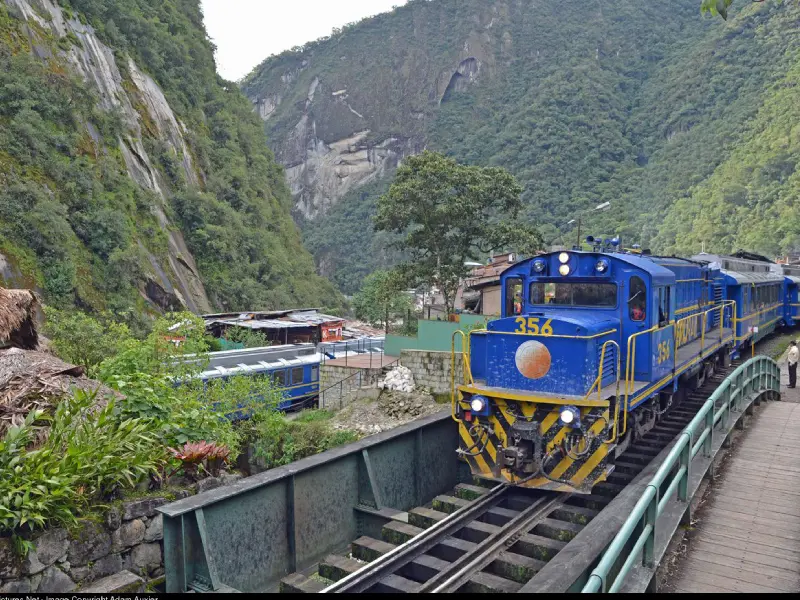

PeruRail vs Inca Rail: Which Operator is Better?
When planning how to get to Machu Picchu by train, you will encounter two main operators: PeruRail and Inca Rail. Both offer excellent service, safety, and punctuality, but they differ slightly in their onboard experiences and departure schedules.
PeruRail
As the longest-running operator, PeruRail offers the widest variety of schedules and frequencies.
- Expedition: The standard service. Comfortable and spirited, perfect for adventure seekers.
- Vistadome: Features panoramic windows on the walls and ceiling, plus a fashion show and snack on board.
- Hiram Bingham: One of the most luxurious trains in the world, evoking the 1920s Pullman style with fine dining and live music.
Inca Rail
Known for its personalized service and distinct style.
- The Voyager: Comfortable seating with reliable service.
- The 360°: Offers wider, taller windows than standard trains and an outdoor observation balcony.
- The Private: A chartered carriage for families or groups seeking exclusivity.
Understanding the PeruRail vs Inca Rail difference often comes down to specific departure times that fit your itinerary, rather than a massive difference in quality for the standard services.
Understanding the Train Routes to Machu Picchu
Logistics can be tricky in the Andes. To master the Machu Picchu railway services, you need to know where your train departs. There are two main stations travelers use:
1. The Poroy Station (Cusco)
Located about 25 minutes from Cusco’s city center.
- Best for: Travelers who want a direct Poroy to Machu Picchu train without a long bus transfer first.
- Note: This station is usually closed during the rainy season (January to April) for safety. During these months, a “Bimodal” service (Bus + Train) is used.
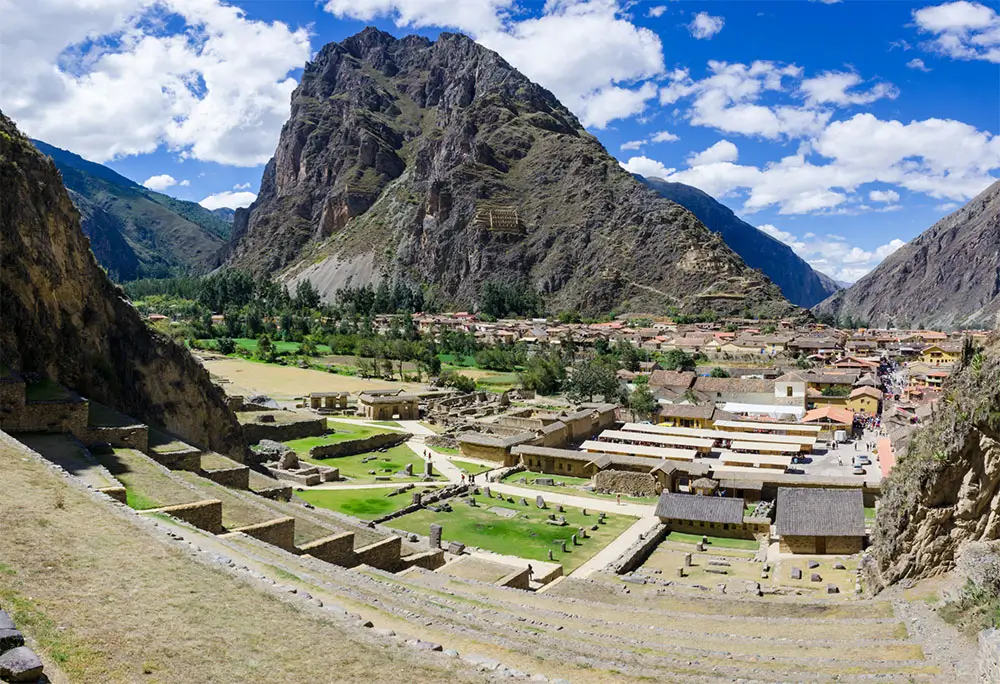
2. The Ollantaytambo Station (Sacred Valley)
Located about 1.5 to 2 hours from Cusco by car.
- Best for: Travelers staying in the Sacred Valley or those who want more schedule flexibility. The Ollantaytambo to Machu Picchu train route has the highest frequency of departures daily.
- Pro Tip: Many of our clients at Local Trekkers Peru choose to tour the Sacred Valley first and catch the train from here in the late afternoon/evening.
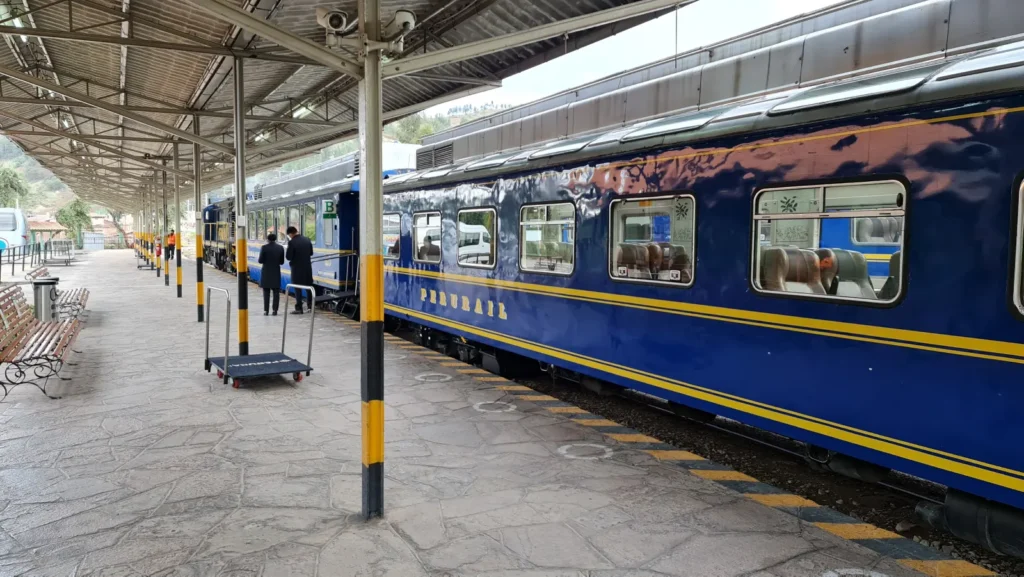
Breakdown of Machu Picchu Train Options and Prices
One of the most common questions we get is about Machu Picchu train prices. Costs vary significantly based on the season, demand, and class of service.
- Budget / Economy (Expedition or Voyager): Prices typically range from $55 to $75 USD one way. These provide comfortable seats and large windows but fewer amenities.
- Mid-Range (Vistadome or The 360°): Prices range from $85 to $110 USD one way. The extra cost pays for the panoramic views, snacks, and sometimes cultural entertainment.
- Luxury (Hiram Bingham or First Class): These exclusive experiences can range from $400 to over $500 USD one way, including full meals, open bar, and bus transfers to the citadel.
Note: Prices are estimates and subject to change by the rail companies.
Expert Tips for Your Train Journey
As local experts, we want to ensure you don’t just “go” to Machu Picchu, but that you master the journey. Here are essential tips for your Machu Picchu train options:
- Book in Advance: Train tickets sell out weeks (sometimes months) ahead, especially during the dry season (May to October). Do not wait until you arrive in Cusco.
- Luggage Restrictions: This is crucial. Trains only allow one carry-on bag (approx. 5kg to 8kg). You must leave your large suitcases at your hotel in Cusco or Ollantaytambo.
- Arrive Early: The operators are strict. Arrive at the station at least 30 minutes before departure.
- Seat Selection: You cannot usually choose your specific seat online (it is assigned automatically), but if you are traveling with a partner, the system almost always seats you together or facing each other.
- Passport is Mandatory: You must present your original passport to board the train. Copies are rarely accepted.
Conclusion
Traveling to Machu Picchu by train is an experience that combines comfort with the thrill of adventure. Whether you choose the efficiency of the Ollantaytambo to Machu Picchu train or the luxury of the Hiram Bingham, the journey along the Urubamba River sets the perfect tone for your visit to the ancient citadel.
Navigating schedules, stations, and ticket availability can be overwhelming. Let us handle the logistics so you can focus on the memories.
No comments:
Post a Comment