Do you dream of walking along paths where the grandeur of the Inca Empire can still be felt in every mountain stone? The Sacred Valley of the Incas hides invaluable treasures that every traveler should know during their stay in Cusco.
If you are looking for an experience that combines spectacular Andean landscapes and a deep cultural legacy, exploring the Pisac ruins is a mandatory stop on your itinerary.
At Local Trekkers Peru, we have prepared this complete guide so you can discover the best-kept secrets of this majestic destination before packing your bags.
A Journey to the Past: Pisac Ruins History and Legacy
Built during the height of the empire, the Pisac archaeological site was much more than just a settlement high in the mountains.
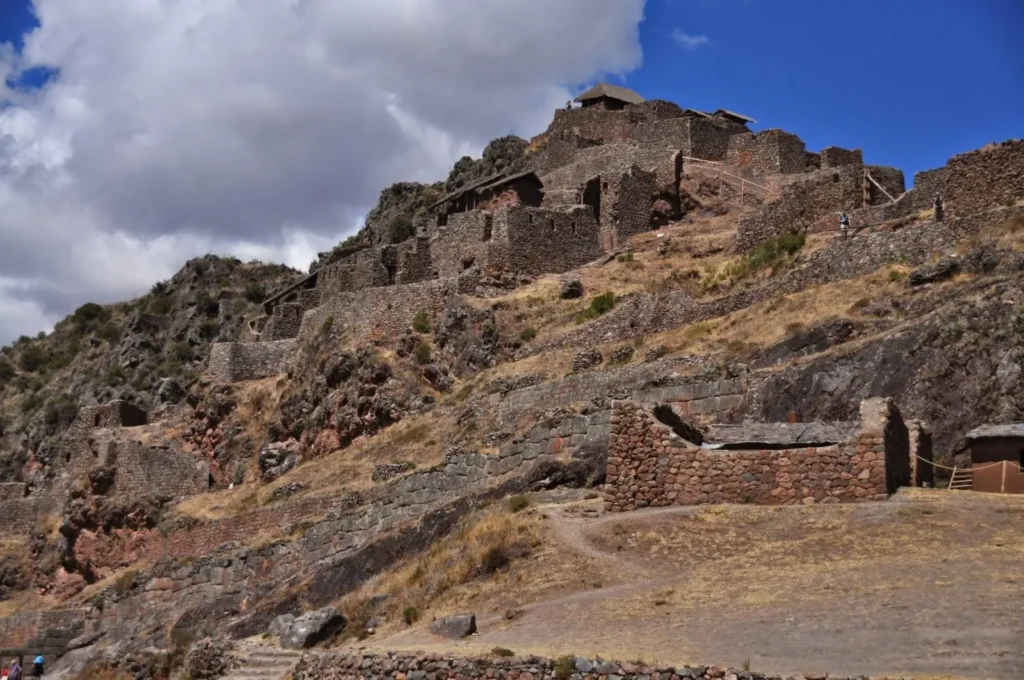
It served as a strategic military point, an advanced agricultural center, and a sacred religious site under the mandate of Inca Pachacútec.
Learning more about the Pisac ruins history reveals how ancient engineers managed to completely master the steep slopes.
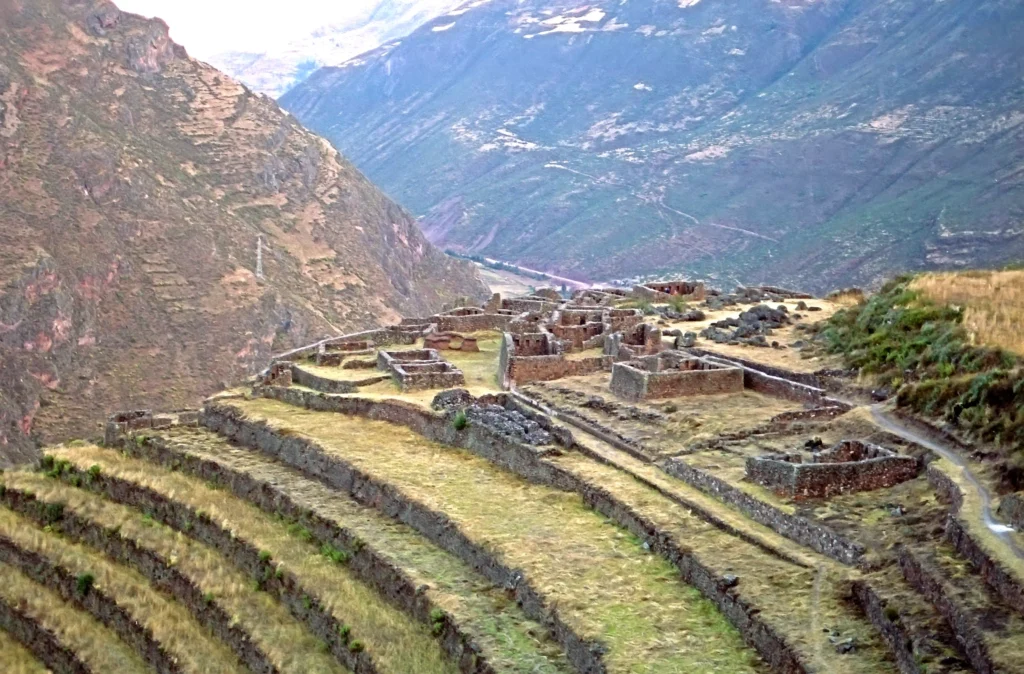
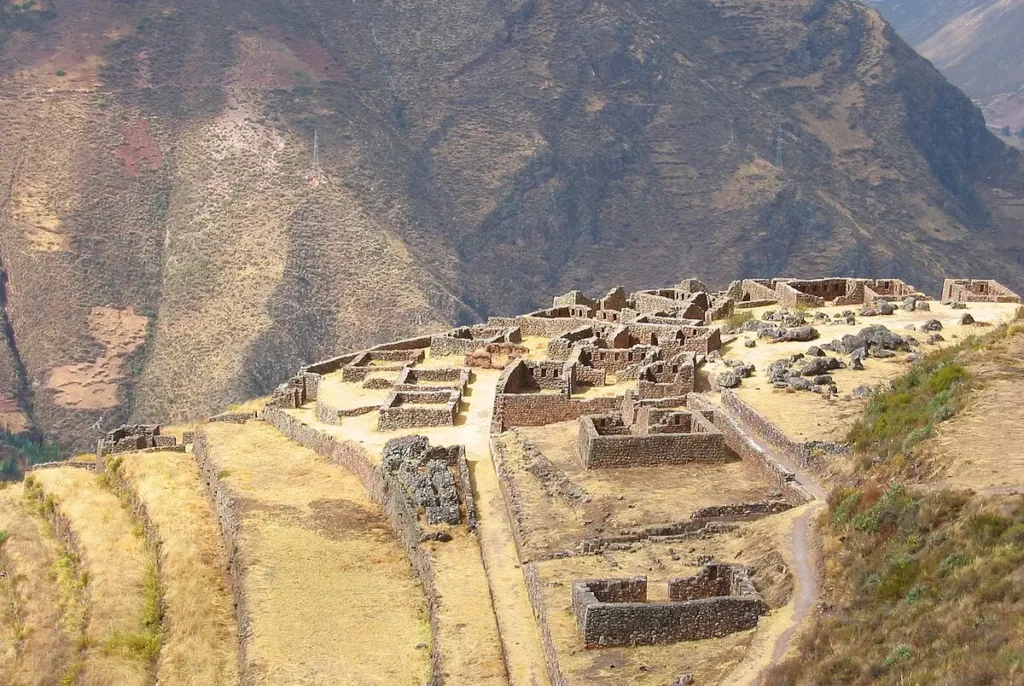
The fascinating Inca history in Pisac remains alive through its perfect terrace system which, to this day, defies the passage of time and gravity.
Useful Facts for Your Visit to the Pisac Archaeological Complex
Before visiting Pisac ruins, it is essential to prepare properly to enjoy the most without altitude or weather setbacks.
Here is the essential technical information for your tour of these majestic Pisac Cusco ruins:
- Altitude: The highest point reaches 3,446 meters above sea level (11,305 ft).
- Climate: Temperate and dry. Days are usually sunny with cool winds, while nights are cold.
- Best Season: The dry season, from May to October, is most recommended to avoid heavy Andean rains.
- Difficulty: Moderate. Requires walking on steep trails and climbing a large number of original stone stairs.
What to See in the Pisac Ruins: Must-See Areas
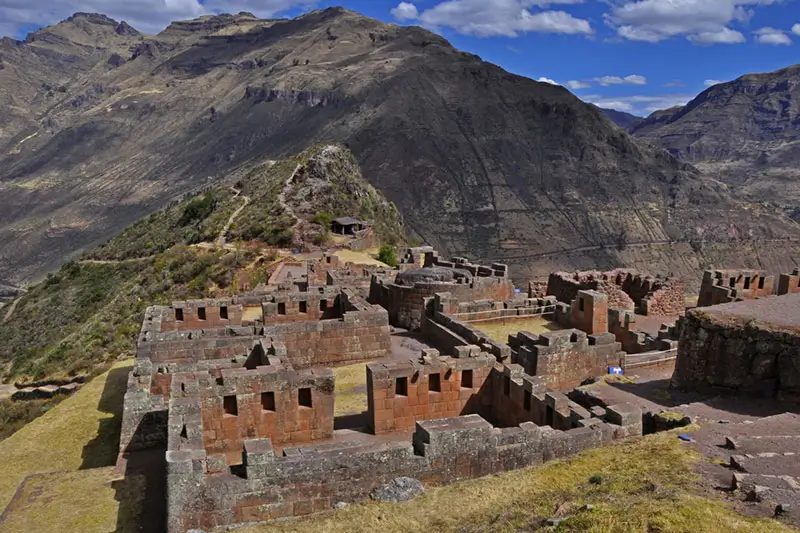
When touring the Pisac ruins Peru, you will be amazed by the immensity, detail, and complexity of its impressive architecture.
If you are wondering exactly what to see in Pisac ruins, these are the archaeological sectors you cannot miss photographing:
- The Intihuatana: The sacred neighborhood that houses the Sun Temple, an altar carved in volcanic rock used for astronomical observations.
- Q’allaqasa (Residential Area): A beautiful set of stone enclosures at the top offering the most spectacular views of the entire valley.
- Tantana Marka (Inca Cemetery): The largest pre-Columbian cemetery in South America, with thousands of mysterious tombs excavated in the mountain.
- The Agricultural Terraces: A majestic green amphitheater demonstrating the undeniable agricultural mastery of the Inca civilization.
Expert Tips for Touring the Pisac Ruins Sacred Valley
As local specialists, at Local Trekkers Peru we want your experience in these wonderful Pisac Sacred Valley ruins to be perfect, safe, and stress-free.
Take note of these secrets and practical tips we share with all our travelers:
- Prior Acclimatization: Spend at least one or two days in the city of Cusco or in the lower areas of the Sacred Valley before going up to the heights of the complex.
- Strategic Schedule: Arrive early in the morning (doors open at 7:00 a.m.) to avoid the crowds of group tours and the intense midday sun.
- What to Bring: Always wear trekking shoes with good grip, sunscreen, a hat, sunglasses, and carry at least one reusable water bottle with you.
- The Tourist Ticket: Remember that you need to carry the Cusco Tourist Ticket (Partial or General) to enter the site; individual tickets are not sold at the gate.
Conclusion: Experience the Magic of the Pisac Ruins with Local Trekkers Peru
Exploring the Pisac ruins is to connect directly with the wisdom, spirituality, and grandeur of the Peruvian Andes at its best.
Every terrace, every temple, and every path of this destination will leave you breathless, guaranteeing unforgettable memories of your trip through Inca lands.
No comments:
Post a Comment