The Lares trek starts at the Lares hot springs, a thermal bath complex at roughly 3,250 m (10,662 ft), before you head into the mountains toward Huacahuasi and the Ipsaycocha Pass at 4,450 m (14,600 ft). Soaking here on day one isn’t just a nice extra — it’s built into the itinerary specifically because it gives your body a warm, low-effort transition into altitude before the trek’s harder days start.
The pools themselves are easy: paved walkways, no hiking required to reach them, in and out in under an hour if you want. What matters is timing it right relative to your Cusco acclimatization days and not overdoing your time in the hottest pools before a multi-day hike.
Where the Hot Springs Fit in the Lares Route
The full Lares trek runs Cusco → Calca → Lares → Huacahuasi → Ipsaycocha Pass → Patacancha → Ollantaytambo, finishing with a train into the Machu Picchu area. The hot springs sit near the town of Lares itself, early in that sequence — meaning you’re soaking before the trek’s physical demands start, not as a reward afterward.
This is one of the practical advantages Lares has over other routes into Machu Picchu: there’s no permit system for the trek itself, so departures can be booked with just days of notice. [VERIFY: confirm current lead time you recommend for booking a Lares departure, since “days” is a general figure worth stating more precisely if your team has a firmer number.] You do still need a Machu Picchu entrance ticket and the train ticket into Aguas Calientes, both of which run on their own quota and schedule separate from the trek — don’t assume “no trek permit” means no planning required at all.

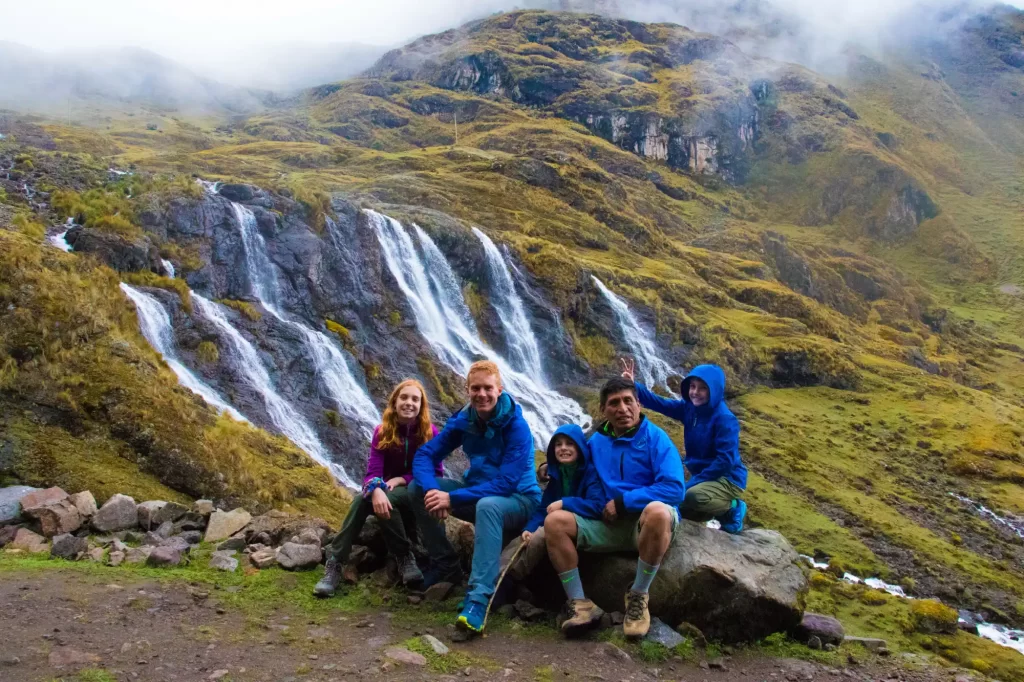
Getting There and What to Expect at the Pools
Getting to the hot springs is straightforward once you’re on a Lares departure — it’s built into day one of the itinerary, reached by vehicle from Cusco via Calca before the walking starts. [YOUR DATA: confirm the approximate drive time from Cusco to the Lares hot springs on your current itinerary, since travelers often ask this directly.]
The complex itself is genuinely low-effort: paved walkways lead straight to the pools, no scrambling or hiking required. Altitude here is moderate compared to what’s ahead — 3,250 m (10,662 ft) versus the 4,450 m (14,600 ft) Ipsaycocha Pass you’ll cross a day or two later — so this is a gentle introduction to elevation, not a test of it.
What to bring:
- A swimsuit
- A quick-drying towel
- Slip-on sandals for walking between pools and changing areas
- Warm layers for immediately after you get out — mountain air at this altitude turns cold fast once you’re wet
- Drinking water — staying hydrated matters here just as much as on the trail itself
How the Hot Springs Help You Acclimatize — and Where That Help Stops
The warm water increases circulation, which can make the transition into higher altitude feel more comfortable in the short term. That’s a real, immediate effect — it is not the same thing as acclimatization itself, which is about your body producing more red blood cells and adjusting over days, not minutes in a hot pool. Don’t treat a soak here as a substitute for spending 2–3 days in Cusco at 3,400 m (11,150 ft) before your trek starts. If you have any heart condition or blood pressure issue, talk to a travel clinic before combining hot springs and high altitude — this isn’t something a packing list can address safely.
Two practical points from guides who run this route regularly: arrive early if you can, since morning mist over the pools is common and the complex is quieter before later arrivals; and don’t stay in the hottest pools for more than 15–20 minutes at a stretch — heat plus altitude can cause lightheadedness faster than either does on its own.
Best Time to Visit and Alternative Options
May to October is the dry season and the best window for clear skies and easier travel to and from the springs. The Lares trek runs in February too, unlike the Inca Trail, since there’s no permit system tied to a maintenance closure — though weather is wetter and less predictable that month. [YOUR DATA: confirm whether your February Lares departures run the standard 4-day itinerary or a modified route given rainy-season conditions.]
Lares is also the one route in this region that can be done on horseback for travelers who want the cultural and scenic experience without the full physical demand of walking every day. [YOUR DATA: confirm current availability and terms for horseback options on your Lares departures, since this is a genuine differentiator worth stating specifically rather than a general “possible” claim.]
The Communities You’ll Pass After the Springs
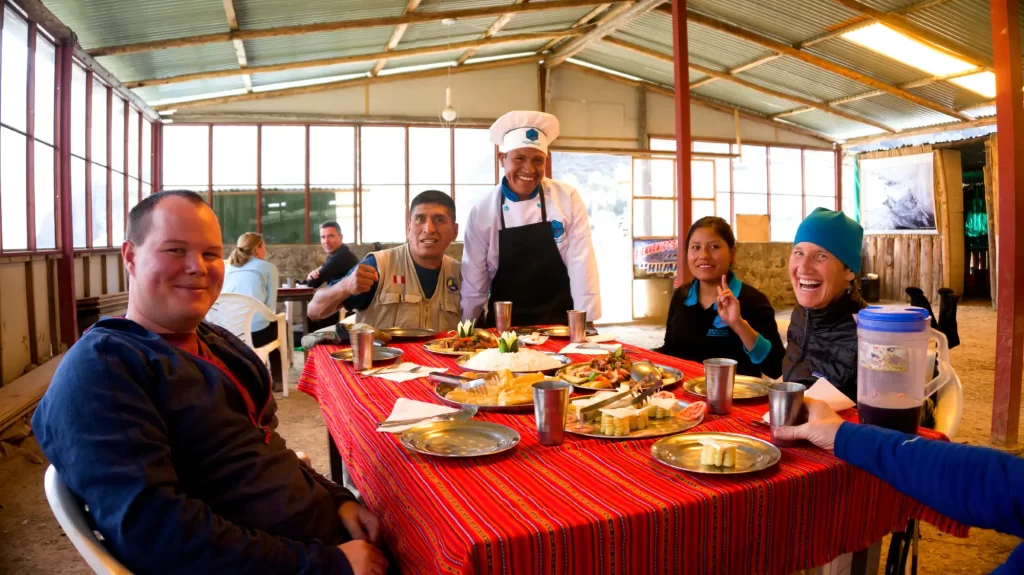
Once you leave the hot springs behind, the route passes through Quechua-speaking communities — Huacahuasi, Patacancha, Huilloc, and Cuncani — that are part of what makes Lares a different experience from routes built primarily around mountain scenery. These aren’t staged stops; they’re inhabited villages where the trail simply runs through daily life, which is part of why Lares tends to appeal to travelers who want the cultural side of the Andes alongside the trekking. What you’ll actually see and how much interaction happens at each stop varies by exact itinerary and season. [YOUR DATA: confirm which of these communities your standard Lares departure passes through or stops at directly, since routing can vary between operators and even between departures.]
The Mistakes We See Most Often
The most common one is treating the hot springs stop as purely recreational and rushing through it, or skipping it mentally as “not the real trek yet.” The stop is timed deliberately — it’s there because it eases the first transition into altitude before the harder walking days, not because it’s a tourist add-on unrelated to the trek’s purpose.
[YOUR DATA: what’s the actual most common mistake your guides see with travelers at the hot springs specifically — overstaying in the hottest pools, not bringing warm layers for afterward, something else? Worth replacing this with your team’s real, ranked answer.]
The second issue is forgetting that “no trek permit” doesn’t mean “no advance planning.” Travelers sometimes assume Lares can be booked entirely last-minute because there’s no permit system, then find their preferred Machu Picchu entrance slot or train departure is already full — those run on separate quotas that fill up on their own schedule, independent of the trek itself.
FAQs
Do I need a permit to visit the Lares hot springs or do the Lares trek? No permit for the trek itself — that’s the main practical advantage over the Inca Trail. You do need a Machu Picchu entrance ticket and a train ticket for the end of the route, both on their own separate quotas.
How cold does it get after getting out of the hot springs? Mountain air at 3,250 m (10,662 ft) turns cold quickly once you’re wet, even during the dry season. Bring warm layers specifically for right after you get out, not just for later in the trek.
Is the Lares trek less crowded than other routes to Machu Picchu? Yes — it’s generally considered the least crowded of the main routes in this region, partly because it doesn’t have the same name recognition as the Inca Trail or Salkantay.
What do people ask you most before booking a Lares trek? [YOUR DATA: what’s the question you get most often on WhatsApp before someone books the Lares trek — horseback options, permit confusion, hot springs specifically? Worth adding your team’s real answer here.]
Can I do the hot springs without doing the full Lares trek? [YOUR DATA: confirm whether you offer the hot springs as a standalone day trip separate from the multi-day trek, since some travelers ask this specifically.]
Next Step
Once you understand how the hot springs fit into day one, the rest of the route is worth planning around the same logic — easing into altitude before the harder days at Ipsaycocha Pass. For the full day-by-day breakdown of the route through Huacahuasi, Patacancha, and the other Quechua communities along the way, see our Lares Trek: The Complete Guide. If you’re still deciding between routes, our Lares vs. Salkantay comparison breaks down which fits your priorities better. When you’re ready to book, our 4-day Lares Trek to Machu Picchu page has current departure details.
No comments:
Post a Comment